
You are about to leave the Capital Bank Website

DISCLAIMER: When you click Accept you will be leaving the Capital Bank (“the Bank”) website and are going to a website that is not operated by the Bank. We are not responsible for the content or availability of linked sites.

ABOUT THIRD PARTY LINKS ON OUR SITE
The Bank offers links to other third party websites that may be of interest to our website visitors. The links provided in our website are provided solely for your convenience and may assist you in locating other useful information on the Internet. When you click on these links you will leave the Bank’s website and will be redirected to another site. These sites are not under control of the Bank. The Bank is not responsible for the content of linked third party websites. We are not an agent for these third parties nor do we endorse or guarantee their products. We make no representation or warranty regarding the accuracy of the information contained in the linked sites. We suggest that you always verify the information obtained from linked website before acting upon this information. Also, please be aware that the security and privacy policies on these sites may be different than the bank’s policies, so please read third party privacy and security policies closely. If you have any questions or concerns about the products and services offered on linked third party websites, please contact the third-party directly.

A Complete Overview of VA Loans Guidelines

VA Loans

If you are a veteran, thank you for your service! The entire Capital Bank Home Loans team appreciates the sacrifices you have made in defending our country. If you are reading this, then you are most likely considering buying a home and would like to know more about VA loans. VA home loans are a terrific benefit that can help you get into your dream home.


What is a VA Loan?

A VA loan is a low or zero-down payment mortgage option offered to eligible veterans and active duty service members and their families. VA loans are partially backed by the Department of Veterans Affairs (VA) and are issued by private lenders. Capital Bank Home Loans has been a VA lender since 2011, has closed thousands of VA loans and has some of the top ranking VA Mortgage Bankers in the business.

Types of VA Loans

There are several types of mortgage loans you can apply for:

  • Purchase Loan
  • Cash-Out Refinance Loans
  • Interest Rate Reduction Refinance Loan
  • Native American Direct Loan


Ready to purchase a home? Start Now

VA Loan Benefits

So what makes a VA loan so special? VA loans have special benefits only available to eligible veterans, active duty service members, and in some cases, their spouses. VA loans are backed by the government up to 25% of the loan value, making you a less risky borrower to your private lender. This gives you more flexibility in the home buying process if you are eligible.

The primary VA loan benefits include:

  • In some cases, there’s no required down payment. That’s right! Some VA loans are able to offer 100% financing to qualifying veterans.
  • No PMI. One of the biggest benefits of a VA home loan is that there is no private mortgage insurance (PMI). With most loans you’d need to pay private mortgage insurance in addition to your principal and interest payments if you put less than 20% down. A VA loan will not have PMI, even if you decide to put no money down.
  • No restrictions to where you buy or for how much. The Department of Veterans Affairs does not have a limit to how much you can borrow but, keep in mind, you do still have to qualify with proof of income and employment.

Some other VA loan benefits may include:

  • Better terms and interest rates.
  • No penalty fees for paying your loan off early.
  • Fewer closing costs.


Ready to purchase a home? Start Now

VA Loan Requirements

Now that you have an idea of some of the benefits that a VA home loan offers, let’s talk about some requirements. Below are some common requirements for VA loan applications:

Credit score requirements

As with most things related to finance, your credit history is an important factor in securing a VA home loan. Although the VA does not specify a minimum credit score, your private lender might. Check with your mortgage lender to see if they have a minimum credit score requirement.

Can you qualify for a VA loan with a low credit score?

Some lenders let you apply for a VA loan with a low credit score but it may cost you additional fees.

Debt to income requirements

Your debt-to-income ratio (DTI) is another important factor when it comes to VA loans. Again, the exact DTI for loan approval will depend on your lender and personal situation but, generally speaking, you can expect up to 45% to be the maximum acceptable DTI for a VA loan.

Can you qualify for a VA loan if you do not meet the debt to income requirements?

Every situation is unique and to offer the best answer, contact your mortgage banker. In some cases, your debt-to-income ratio can be adjusted by including any residual income you may have.


Ready to purchase a home? Start Now


VA Loan Restrictions

With VA loan requirements covered, it is important to mention there are still some restrictions as to exactly what types of properties you may purchase.

Primary Residence

If you want to use a VA loan to purchase a home, that home must be your primary residence. This means that you and your family must intend to live in the home after purchasing it. VA loans will not cover investment properties or a vacation home.

Your home must qualify for VA loan

This is one of the harder aspects of VA loan restrictions to explain. Before you can purchase your home using VA loans, your property must qualify. The VA will send a specially appointed VA appraiser to assess the house. Here is a good breakdown of the VA property requirements but in general, your home must be a conventional (non-unique) home in good working condition.

Does my home qualify for a VA loan?

Your VA appraiser will have final say in whether your home qualifies for a VA loan. To ensure the best chances for your property to be approved by the VA’s Minimum Property Requirements (MPRs), make sure your home covers the following:

Property condition:

  • Mechanical systems are operating safely and are deemed to have reasonable future utility.
  • Adequate heating supply that is in good working order.
  • Roofing must be in good condition with no major leaks.
  • Property must be free of any structural threats such as termites, rot, or fungus.
  • Generally speaking, it is best to avoid homes listed “as is” as these homes tend to have one or more of the above listed issues.

Conventional property:

Your property must be a conventional family home. VA appraisers tend to dislike unique properties due to the complications they can create when trying to find recent comparable homes. In addition, your lender may have additional restrictions to certain unique homes including but not limited to: ranches, converted churches, and homes with geodesic domes.

What if I want to purchase a condo with a VA loan?

The Department of Veterans Affairs has a condo database of approved developments. If your dream condo is not on the VA’s list, your lender can ask the VA to approve this development. Keep in mind that the VA’s process for adding a new condo development to their approved list can take months and is not guaranteed to be approved once the process is over.


Ready to purchase a home? Start Now


Can I have two VA Loans at one time?

As long as you have enough entitlement, you can have two VA loans at one time. This often comes into play when active duty personnel are transferred and want to purchase a home without selling their existing property.


VA Loan Mortgage Limits

You might be wondering exactly how much house can you buy with a VA loan. According to the VA’s loan limit documentation, eligible veterans, service members, and survivors with full entitlement no longer have limits on loans.

How much can you borrow with a VA loan?

With that being said, it is still up to your lender to determine how large of a mortgage you can borrow. Your mortgage banker will determine the size of loan you can afford by assessing your credit history, income, and any assets you may be holding.


VA Funding Fee

Before we jump into VA loan eligibility and the application process, we would like to mention an often overlooked topic related to VA loans. The VA funding fee is a one-time payment that you will make on a VA home loan. This fee is required by the U.S. government and helps reduce the cost of the loan for U.S. taxpayers. The VA funding fee can be paid for in a variety of ways and by no means has to be paid upfront. When you close on your VA loan, you can choose to pay the VA funding fee by rolling it into the total amount of your loan or pay the full amount at closing. The VA funding fees page has a rate chart that goes into greater detail as to how much you can expect to pay.

Who is exempt from the VA funding fee?

There are a few exemptions to the VA funding fee. The most common is a service disabled veteran who is receiving VA compensation. You may be eligible for a refund of the VA funding fee if you are later awarded disability status from the U.S. Department of Veterans Affairs.


VA Loan Eligibility

Okay this all sounds great, but now you may be wondering, are you even eligible for a VA loan?

Who is eligible for a VA loan?

VA loan eligibility standards differ depending on your status in the military. There are four primary categories that the Department of Veterans Affairs will assess your eligibility from. These categories are active duty, veteran, Military Reserves or National Guard, and military spouse. You can reference the VA loan program eligibility requirements here.

What if I don’t meet the minimum service requirements?

If you do not meet the minimum service requirements for a VA loan, you may still be able to qualify if you were discharged for some of the reasons listed below (for a more comprehensive list, please refer to the VA’s minimum service requirements page):

  • Hardship
  • Reduction in force
  • Certain medical conditions
  • A service-related disability


Ready to purchase a home? Start Now


How to apply for a VA Loan

how to apply for a va loan

Alright, you’ve met the eligibility requirements and you’ready to apply for a VA loan but you might be wondering where to even start.

First, you will need to have a VA Home Loan Certificate of Eligibility (COE). The VA will require some information and documents from you to apply for a COE so it is best to prepare your documents beforehand so that you can get through the application process smoothly.

How to prepare for the VA COE application?

The VA has a comprehensive COE application page that will list out exactly which documents you will need to have present depending on your status within the military. If you are a veteran or surviving spouse, you’ll need a copy of you or your veteran spouse’s discharge or separation papers (DD214). If you are currently serving on active duty, you will need a statement of service signed by your commander or a personnel officer.

How do I apply for my COE?

The VA has an easy to use eBenefits website portal for you to apply for your Certificate of Eligibility. You may also apply for your COE by mail. Simply download VA Form 26-1880 and mail it to the address listed on the form.

Getting Started with the VA Home Loan Application

getting started with VA Loan Application

Now that you have your COE, it’s time to reach out to your lender to get started on your VA home loan application. First, you will need to decide which type of VA home mortgage works best for you. The VA has a few options.

VA Mortgage Loan options

Purchase loan:

If you are a conventional home buyer, you will most likely be looking to secure VA-backed purchase loans. This loan will help you buy, build, or improve a home with a competitive interest rate and the option to put no money down without restriction.

Interest Rate Reduction Refinance Loan (IRRRL):

If you already have a VA home loan and would like to reduce your monthly mortgage payment or interest, an Interest Rate Reduction Refinance Loan (IRRRL) could be the right choice for you.

Cash-out refinance loan:

A VA-backed cash-out refinance loan can help you take cash out of your home equity. This loan will replace your current loan with a new VA loan under different terms. You can also use a VA cash-out refinance to refinance a non-VA loan into a VA-backed loan.

We would also like to mention that the VA offers a Native American Direct Loan (NADL). If you are veteran, and either you or your spouse is Native American, you may qualify for this loan. Because the VA directly backs this loan, you do not need to contact a private lender – the U.S. Department of Veterans Affairs will serve as your lender.


Contact your lender to get started on your VA home loan application

As a VA lender since 2011, Capital Bank has over a decade of experience with helping members of our armed forces buy their dream home. Our lenders can answer any of your questions and guide you through the VA loan process. Our own process is transparent and intuitive to provide you with the smoothest path to closing your home and getting the keys!


Contact one of our top VA mortgage bankers today to learn more about our VA loan process.


(Equal Housing & Member FDIC Logo are standard on the website)

 

Ready to purchase a home? Start Now

What’s the Difference Between Fixed-Rate vs. Adjustable-Rate Mortgages?

home buyers researching the difference between fixed-rate and adjustable-rate mortgages

You may be in the market for a home, but not so fast! Before you start shopping for a home, it’s important to understand financing—more specifically, the difference between a fixed-rate or adjustable-rate (ARM) mortgage. Both have their pros and cons—and it all depends on how long you want to spend in the home and what you can afford to pay monthly. Let’s take a deep dive into the differences.

Ready to purchase a home? Start Now

What is a Fixed-Rate Mortgage?

A fixed-rate mortgage sounds like what it is—fixed. Here’s how it works: you have a predictable monthly payment for the life of loan, whether a 15-, 20- or 30-year loan. The duration of the loan impacts the size of the monthly payment, amount of interest paid, amount of time to build equity, and length of time to pay off the loan. In other words, the longer the payoff period, the lower the monthly payment. On the other hand, lower term loans have higher monthly payments and pay less interest over the life of the loan, take less time to build equity and pay off the mortgage faster.

Is a Fixed-Rate Mortgage Right for You?

If you’re considering staying in the home long term, say more than 10 years, a fixed-rate mortgage may be right for you. If you’re a first-time homebuyer, a fixed-rate mortgage may be a smart (and safe) choice. A fixed-rate mortgage gives you prediction—and peace of mind—knowing your monthly payment is the same regardless of whether or not interest rates rise. Is there a downside to fixed-rate mortgages? A small one—if interest rates are high when you first apply for the loan, it’s harder to qualify because the monthly payments are also high.

What is an Adjustable-Rate Mortgage?

Now let’s explore an adjustable-rate mortgage, commonly called an ARM. For the first five to 10 years of the loan, you’ll pay a lower rate and monthly payment than if you had a fixed rate loan. Plus, the rates and payments can be locked in during that time. After that, the interest rate adjusts to market rates and your monthly payments may rise, too. The good news—an ARM has a cap, a limit that your interest rate can rise or drop to in a single period and over the lifetime of your loan.

Is an Adjustable-Rate Mortgage Right for You?

What type of homebuyer would benefit from a variable rate mortgage? An ARM mortgage can be a viable option if you’ll be moving in a few years—you’ll have a lower rate at the start of the loan and lower monthly payment than with a fixed-rate loan. Of course, you’ll have to make a larger down payment and have a strong credit history, so you have to be prepared with more cash in hand and no red marks on your credit.

Ready to purchase a home? Start Now

Is One Better than the Other?

That all depends! If you’re settling in for the long term, a fixed-rate mortgage may be your best choice. If you’re staying for a few short years and you have the means and credit to be approved for an ARM, go for it! You’ll pay less out of pocket over the course of this shorter term loan. But bottom line—what’s the difference in dollars and cents?

Check out our mortgage calculator. Here, you’ll see how much you’ll save or pay over the course of 30 years, for instance, on a fixed-rate loan. Our Mortgage Required Income Calculator can also show you how much income you need to afford a $300,000 home (or any home)!

Conclusion

Fixed or adjustable rate mortgage? We’ve given you the basics on the difference between the two, from predictable, fixed payments over the long term, to a lower rate, bigger down payment and shorter term loan. Before you take your next step, give Capital Bank a call to help you determine which is right for you—because the better informed you are, the better the financial decision you’ll make.

Ready to purchase a home? Start Now

FAQs

Is adjustable or fixed better?
That all depends on your needs. Staying in the home more than 10 years? A fixed-rate mortgage may be right for you. If your plans include a move in under 10 years, an ARM mortgage may be able to save you money with a low 5-year ARM rate or 10-year ARM rate.

Is an adjustable loan or a fixed loan better for a first-time buyer?
Most mortgage lenders agree that a fixed-rate loan is optimal for a first-time buyer. The predictable payments help them sleep at night and keep their budget under control.

Why would an adjustable-rate mortgage be a bad idea?
An adjustable-rate mortgage would not be a smart choice if in it for the long term, past 10 years, for instance. Your initial interest rate and monthly payment would increase after the 10 year-period. There’s no prediction on the new rate and payment, and that can cause a big dent in your budget.

Why would a home buyer choose an adjustable rate mortgage?
If you plan on staying in the home short-term, you can benefit from a 5-year ARM rate or 10-year ARM rate. In both cases, the rate would be lower than a fixed-rate loan. To qualify, you need an excellent credit history and larger down payment.

How to Find a Bank to Refinance Your Investment Property

With mortgage rates at historic lows, more people than ever are refinancing their mortgages. These opportunities apply to your primary home as well as your investment property. When you refinance an investment property, there are things you should consider like your existing interest rate, closing costs associated with refinancing, and determining the type of loan available for refinancing. In this article, we discuss how to find the best place to refinance mortgages, and what banks look at during the refinancing process.

Ready to speak with an expert? Start Now

What Banks Look For in an Investment Property Refinance

When you decide to refi investment property, the process does not look much different than the refinancing of a mortgage on your primary residence, with a few exceptions. There are many things that banks look for during an investment property refinance.

A Good Credit Score

One of the first things a bank will look at is your credit score. If your credit score is questionable, clean it up or find a business partner with a better credit score with whom to join forces. A good credit score can get you a better interest rate and in turn, help you build equity faster and at a lower cost.

Ready to speak with an expert? Start Now

A Stable Debt to Income Ratio

Lenders want to loan money to people who can pay off debt. A good debt-to-income ratio, which is the percentage of your income that goes to paying your monthly debts, is a good indicator of whether you can qualify for a mortgage. The percentage helps a lender determine how much money you can borrow and is often considered as important as your credit score. Ideally, your “DTI” should be 36% or less, according to NerdWallet.

A Knowledge of What You Want

When you approach a lender about refi investment property, you should know what type of mortgage you want. Do you want an adjustable-rate mortgage, or a cash-out refinance? If you choose a cash-out refinance, you may have to leverage the equity you have to fund costs like improvements. No matter what you want in terms of a refinance, going to a lender with a clear objective in mind is important.

No More Than 10 Financed Properties

In 2009, the government raised the limit on the number of properties an investor could finance from 4 to 10. To refinance your investment property, you should have no more than 10 financed properties. More properties financed equals more paperwork for the underwriter and a slower approval process. If you have multiple properties financed, it is recommended that you discuss this at the outset of refinancing talks or pay off some of your loans before refinancing, because some banks will not take on these types of loans.

Higher Equity Thresholds

When lenders refinance investment properties, they want an investor with a higher equity threshold. A normal loan-to-value ratio on an investment property refinance is about 75%, meaning that you should have at least 25% equity in your investment property before you refinance.

How to Refinance an Investment Property?

Refinancing an investment property is not much different than refinancing a primary residence. If you have ever applied for a mortgage before, you are probably familiar with the majority of the process. However, you must have everything in order before discussing a refinance of an investment property with a bank.

Gather the Right Documents

Before initiating the refinance process, it is important to gather the right documents that the lender will request. You’ll need things to establish proof of income like pay stubs, W-2 forms, tax returns, business tax returns, proof of disability or pension income if you are otherwise unemployed, and detailed information about rental income from investment properties. You will likely need information from the last two years, along with a Schedule E from your personal tax return. The Schedule E form will assist the lender in determining the investment property’s net income over time.

Lenders will also look for proof of assets and proof of individual ownership of the investment property. You should also be prepared to provide paperwork that establishes the extent of your current debts and obligations outside your investment property, including other loans and credit card balances, as well as a current mortgage statement.

Apply

Once you have your paperwork in order, you can apply for a refinance. Each bank approaches this differently. Our QuickClose digital process makes it easy to refinance.

Lock Your Interest Rate

After you apply for a refinance, the next step is to lock the interest rate for the loan. When you lock the interest rate, the bank guarantees that the rate offered remains available for a certain period. With a rate lock, you don’t have to worry about rates going up between the time the offer is submitted and the loan is closed. The typical period for a rate lock is 30 to 60 days.

Underwriting

During the application process, your refinance will go through underwriting. This is essentially the time during which the bank verifies all of the documentation that you have provided during the loan process. After underwriting, the bank issues final approval for the refinance.

Closing

When it is time for closing on your refinance, the process will look similar to closing on a primary residence. Be prepared with a cashier’s check to cover closing costs and your identification. You’ll sign documents like a closing disclosure where you will see a total breakdown of costs and fees.

How to Find the Right Bank to Refinance Your Investment Property

Ask for Referral

The best way to find the right bank for an investment property refinance is to ask around. People are often happy to share their experiences with a particular lender. Getting as much information as possible on the front end will make the entire process run more smoothly.

Do Your Research

There is a load of information on the internet. You should be able to find reviews and first-hand accounts of similarly situated investors who have used a particular bank for refinancing. Take in the information and shop around to see where you can get the best deal with the highest level of customer service.

Frequently Asked Questions

Can You Refinance an Investment Property?

Yes. While there are additional requirements and restrictions, refinancing an investment property is similar to refinancing a traditional mortgage on a primary residence.

How Often Can You Refinance?

You can refinance investment property as many times as you want to, provided that it makes financial sense. Look at your break-even point to determine whether it makes sense to refinance.

What Documents Do You Need to Refinance?

To refinance, you’ll likely need documents showing proof of income, proof of assets, a credit report, a list of debts, and your current mortgage statement.

Cash Out Refinance vs HELOC

When homeowners need extra cash, they often borrow against the equity in their home, known as home equity loans or lines of credit (HELOC). Let’s explore the options of cash-out refinance vs. HELOC.

Ready to speak with an expert? Start Now

Cash Out Refinance vs HELOC

A HELOC allows you to borrow against the equity in your home to draw out cash when you need it.

How Does a HELOC Work?

A HELOC is a line of credit guaranteed by the equity in your home. HELOCs are interest-only loans taken out over a specific period, for example, ten years. Most lenders will allow you to borrow up to 80% or 90% of the equity in your home.

There are two parts to a HELOC loan, the draw-down period in which you pay interest only and the second part after the term of the loan expires, at which point you pay principal and interest.

During the term of a HELOC loan, you’re able to withdraw the money as and when you need it up to the approved limit of the loan, known as the loan’s drawdown period. You only pay interest on the amount you withdraw, not the total amount you’ve been approved for. After the drawdown period ends, you then pay a combined principal and interest payment on the amount you drew down until the loan is fully repaid.

HELOCs typically incur an adjustable interest rate based on the prime rate which meansinterest rates can fluctuate depending on market conditions and potentially rise over time.

How Does a Cash-Out Refinance Work?

Refinancing means you open a new mortgage to pay off your existing mortgage. With current low-interest rates, refinancing your home can allow you to access additional cash plus obtain a better mortgage rate and terms.

Let’s say your home is worth $400,000, and you owe $200,000. This means you have $200,000 equity in your home. In this scenario, many lenders will allow you to borrow up to 80% of the home’s value, which would be $320,000, leaving you with $80,000 in cash.

How Does a HELOC Work vs Refinance to Pull Out Cash?

A cash out-refinance option allows you to take advantage of fixed, low-interest rates for the life of the mortgage. Keep in mind; a fixed-term mortgage may not offer you the lowest of the lowest interest rates.

HELOC and home equity loans are considered second mortgages. If homeowners default, these loans only get paid back after the first mortgage is paid. In the event of a shortfall, homeowners are still liable for the remaining balance of the second mortgage.

Ready to speak with an expert? Start Now

When Should You Choose a HELOC?

If you intend to use the cash over a period of time, a HELOC may be your best option. This option allows you to withdraw the cash as and when you need it or not use it at all. A HELOC is often used as a backup strategy for example if you lose your job. If you don’t use the money, you don’t pay interest.

Most lenders offer competitive rates that range from 2.49% to 21%, depending on creditworthiness. A mortgage banker can walk you through all of your options.

HELOC Requirements

To qualify for a HELOC loan, you will need to have at least 15% – 20% equity built up in your home. The lender will require an independent appraisal to assess the equity value in the home.

Secondly, you need a debt-to-income (DTI) ratio that sits somewhere between 43% and 50%. Lenders will calculate the DTI ratio by calculating your monthly debt obligations by your pre-tax or gross income. Some lenders may not consider monthly expenses such as utilities, food, and transportation costs while others do. It’s important not to overextend yourself and borrow more than you are comfortable repaying back.

Thirdly, you need a qualifying credit score, along with a strong history of paying your bills on time.

When Does a Cash-Out Refinance Make Sense?

A cash-out refinance option offers two big benefits. It allows you to turn your home’s equity into cash plus lock in a lower interest rate on your mortgage. With current economic conditions, home values are increasing exponentially and interest rates are near all-time lows. If you were considering refinancing your home to access cash, there is probably no better time than now.

Cash-out refinance rates are usually slightly higher than a traditional refinance rate. The rate you receive depends on how much cash you want to take out and your credit score.

Talk to your bank to find out current cash-out refinance rates. Typically rates can be anywhere from 0.125% to 0.5% higher than rates you find for a no-cash out refinance mortgage. If needing to finance more considerable expenses, this is one of the lowest-interest forms of borrowing.

A cash-out refinance option makes sense if you plan on remodeling your home, need to pay income tax, pay off an existing home equity line of credit, for debt consolidation or college education.

Cash-Out Refinance Requirements

The rate depends on your personal circumstances and the equity in your home. The rate will be based on the loan-to-value (LTV) ratio along with your credit score, and the value of the loan. The more equity you cash out, the higher the interest rate.

The value of your home will need to be appraised by an independent appraiser. The new loan’s DTI ratio needs to be 43% or less, a LTV ratio of 80% or less, and a credit score of at least 620.

Conclusion

Whether you choose a cash-out refinance vs. HELOC, consider why you need the cash, when you need the cash (now or later), and how long you plan on staying in your home. Make sure you factor in other costs such as application fees, mortgage insurance, and any other applicable fees and budget accordingly. Our mortgage team is here to answer any questions you have and to walk you through your options.

What Happens When COVID Mortgage Deferment Ends?

What Happens When COVID Mortgage Deferment Ends?

As families and individuals alike struggle to recover from the numerous hardships caused by COVID-19, some may wonder how to proceed when the time comes for their COVID-19 mortgage deferment to end.

Depending on the borrower, COVID-19 forbearance could apply to a home mortgage, student loans, or any other type of repayment plan.

The following information will offer valuable insight into COVID-19 forbearance, how it works and what to do if you still can’t afford to make your mortgage payments after your deferment period is technically over.

Ready to speak with an expert? Start Now

What is COVID-19 Mortgage Deferment?

Because the recent pandemic has heavily impacted public health as well as the economy, many financial institutions are granting borrowers deferment — a temporary pause in loan repayment until the borrower regains financial stability. Keep in mind that deferment is not loan forgiveness, it simply takes the pressure off of the borrower for a short time.

While there is no doubt that everyone has felt the effects of the COVID-19 pandemic in some capacity, it’s important to know that loan deferment is not a given. Borrowers are typically required to qualify for deferment, which can prove more difficult if loans are held privately. However, thanks to the March 2020 CARES Act, many homeowners are still able to qualify for deferment and even receive deferment extensions.

CARES Act

The Coronavirus Aid, Relief, and Economic Security Act — or the CARES Act — is a stimulus bill worth over $2 trillion that was passed on March 27, 2020, to help American workers, families, and businesses deal with the aftermath of the Coronavirus.

The CARES Act offers two primary protections to homeowners who have federally or GSE-backed mortgages. “GSE” refers to government-sponsored enterprises, such as Fannie Mae and Freddie Mac, two federally-supported home mortgage companies.

First and foremost, the CARES Act prevents FHA or USDA lenders from foreclosing on homeowners before March 31, 2021. Similarly, VA, Fannie Mae or Freddie Mac lenders cannot foreclose on homeowners before February 28, 2021.

Furthermore, the CARES Act grants homeowners the right to receive forbearance for up to 180 days if they have experienced financial hardship because of COVID-19. Borrowers can then contact their loan servicer to request an additional 180 days at no cost, for a total of 1 year of forbearance.

Because some institutions have a forbearance request deadline of February 28th, 2021, it’s vital that homeowners request forbearance as soon as possible.

Ready to speak with an expert? Start Now

What Happens When COVID-19 Forbearance Ends?

If you are nearing the end of your forbearance period, it’s essential to communicate with your loan provider. Don’t hesitate to describe your financial situation and tell them if you will not be able to make your mortgage payments after your forbearance is over. After all, if you aren’t open with your loan servicer, they may have no choice but to penalize you. On the other hand, if you communicate early and often, they are more likely to help you find a solution.

As previously mentioned, borrowers have the right to a 180-day extension on their forbearance. However, if you have already taken advantage of your 1-year forbearance and you still won’t be able to make your payments, there are options available to you. Your loan servicer may offer a loan modification, help you facilitate a short sale, or find your next living situation, if applicable.

How Does COVID-19 Forbearance Repayment Work?

When it’s time to resume your mortgage payments, there are several repayment options at your disposal. By communicating with your loan provider, you may be able to establish a repayment plan that slightly increases your monthly payment until your backlogged mortgages are paid.

Secondly, you may be able to obtain a deferral or partial claim if you can resume your normal payments, but cannot afford to increase your monthly amount. In this case, your missed payments will likely be added to the end of your loan or put into a second mortgage or “junior lien” that will be paid when you sell, terminate, or refinance your mortgage. You could also give your provider a lump sum if you can repay all of your missed payments at once.

Do I Have to Pay a Lump Sum?

While paying a lump sum is an option after forbearance, it is certainly not a requirement. If your provider presents a lump sum payment as your only option, inquire about alternatives. You can check out this helpful Forbearance Fact Sheet for more information.

Can I Extend My Forbearance?

Given that the CARES Act allows for a 180-day forbearance extension, homeowners whose loans are insured by the FHA, the HUB (U.S. Department of Housing and Urban Development), the VA, section 184 or 184A of the Housing and Community Development Act of 1992, the Department of Agriculture, Freddie Mac or Fannie Mae providers are permitted a total of 365 days of forbearance.

How Do You Request Extension?

It is important to remember that neither the initial forbearance request nor the forbearance extension is automatic — homeowners must request both from their loan provider.

The thought of contacting your loan provider to request a forbearance or a forbearance extension can be intimidating, particularly if you aren’t sure that you will be able to make your mortgage payments in the near future.

However, you are not alone. As of December 2020, more than 2.8 million homeowners were on forbearance plans. Loan servicers understand that this is an incredibly challenging time for many people financially, physically, and emotionally. Generally, loan providers want to avoid foreclosure as much as you do, you just have to communicate with them.

The first step is to contact your loan provider and communicate honestly about your situation. Together, you can establish a plan going forward to handle your forbearance and missed payments. Remember, without communication, your loan servicer may be forced to penalize you — contact them as soon as possible to discuss forbearance.

What if You Still Can’t Afford Your Mortgage Payments After Forbearance?

If you are nearing the end of your forbearance period, have already received an extension, and still cannot afford your mortgage payments, it may be time to consider downsizing to a more affordable living situation.

This could involve selling your home through a short sale, foreclosure, or a deed-in-lieu of foreclosure. While these are not ideal situations, your loan provider can be a helpful resource in guiding you towards your next best step if repayment is not an option for you.

Partner With Capital Bank Experts to Navigate COVID-19 Forbearance

The above information provides an in-depth look at COVID-19 forbearance, how homeowners can manage their loan repayment plans, and what to do if you can’t afford your payments after forbearance.

Regardless of your current financial situation, remember that you are not alone. Communication with your financial institution and loan provider is paramount to receiving forbearance and finding a repayment solution.

Once your forbearance ends, Capital Bank Mortgage Bankers are available to discuss possible next steps if you’re looking for financing, connect with our team today.

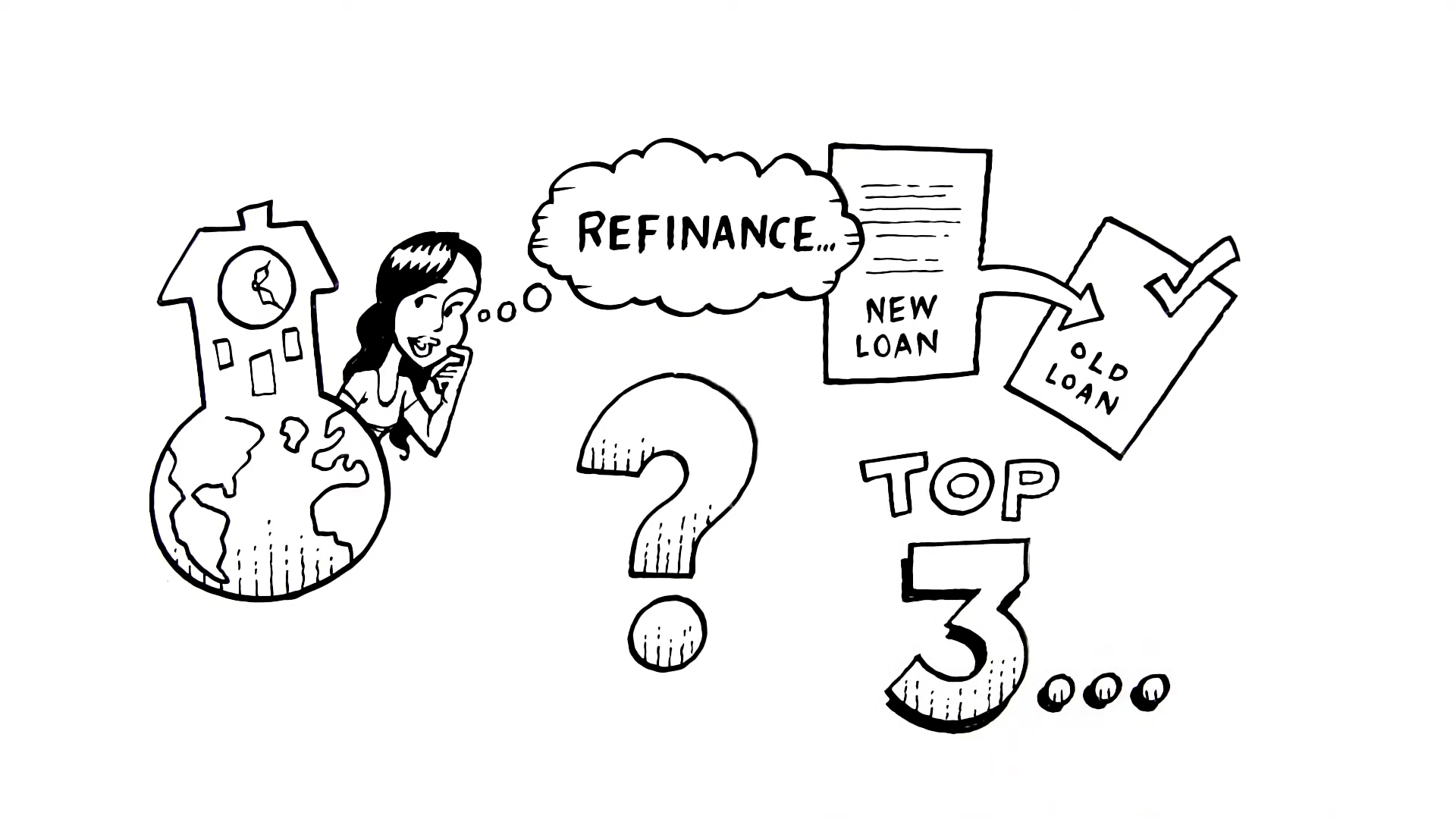
Three Questions to Ask Yourself When Considering a Mortgage Refinance


Get a Rate Quote! Start Now

So- you’ve owned your home for some time, have things changed in the economy or your finances since you bought your house?

It might make sense for you to look into a mortgage refinance—getting a new home loan and paying off you’re existing one, but will it save you money?

The Top 3 Questions To Ask When Considering a Mortgage Refinance

Here are our top three questions to ask yourself when considering a mortgage refinance:

  1. Have interest rates gone down since you closed on your mortgage?
    Changes in the economy can cause interest rates to fluctuate. If interest rates have gone down since you closed on your existing mortgage, and you qualify, a lower interest rate almost guarantees a lower monthly payment and savings for you.
  2. Has your credit score improved since you closed on your mortgage?
    If you credit score has improved since you closed on your current mortgage, you are likely eligible for a lower interest rate than you were originally and may even qualify for a different loan type.For instance, if your current mortgage was an FHA (Federal Housing Administration) loan, you probably still pay private mortgage insurance. A higher credit score could mean you qualify for a conventional loan and would no longer have to pay for the private mortgage insurance.
  3. Is your home worth more than it was when you closed on your mortgage?
    If your home is worth more than it was when you got your existing mortgage – either because prices in your area have increased or you’ve had the home long enough to build equity, you may qualify for a cash-out refinance– refinancing for more than the balance of your mortgage and taking the difference in cash.

If you find yourself answering “yes” to any of these three questions, a mortgage refinance might make sense.

Speak with an experienced mortgage banker so you can discuss the option that is best suited for you –and could save you money on your monthly mortgage payment, and over the life of your loan.

This video is intended to only provide a demonstration of options available to consumers. Qualification criteria will change with each mortgage loan type. Examples of some qualification criteria would be employment history, primary residence occupancy, credit score and/ or income of the applicants, even the size of the down payment and loan-to-value assessment. The Mortgage Insurance and its requirements can vary depending on the loan type. It is important to speak with an experienced loan originator to inquire about qualification and eligibility requirements for mortgage options. Please speak with a financial advisor to learn about any tax related implications prior to making your decision.

Capital Bank Home Loans is a division of Capital Bank, N.A. Equal Housing Lender. FDIC Insured. NMLS#401599.

What Are the Types of Mortgages I Can Get?

Get a Rate Quote! Start Now

Buying a home involves many decisions – and choosing the right mortgage is a big one.

While we’re here to discuss your options in greater detail whenever you’re ready, here’s a quick look at the most common types of mortgages, which primarily involve a fixed interest rate over a long period of time, or a rate that can change over time.

The Types of Mortgages to Choose From

Fixed-rate Loans

These are the most popular home loans, and are good if you plan on staying in your home for a longer period of time or if you are concerned about fluctuating interest rates.

Fixed-rate loans are types of mortgages that come with an interest rate that is locked in and won’t change over time.

Meaning your monthly mortgage payment is something that’s predictable throughout the term of the loan. If rates were to drop significantly, you could consider the option to refinance your loan to reduce your payment.

The fixed-rate loans you hear mentioned most often are 30- and 15-year mortgages.

With a 30-year loan, your monthly payment will be lower than a shorter-term loan, but the amount of money you pay in interest over that time will be more.

A 15-year loan means you will pay less in interest, but your monthly payment will be higher because you’ll be paying off the loan amount faster.

Adjustable-rate Mortgages

These types of mortgages are known as ARMs.

They can start with a lower initial interest rate than a fixed-rate loan, but the interest rate is variable and can possibly rise after a set period of time, leading to higher monthly payments.

An ARM can be a good choice for people who know they won’t be in a home for a long period of time.

For more details on home loans, talk to one of our trained mortgage professionals about your various options and what types of mortgages could be best for you.

Refinance Your Mortgage to Renovate Your Home

Home has become more important than ever these past few months. It’s our safe space. Being quarantined, though, can make us view home in a new light – and inspire us to make changes to the property to benefit the whole family.

So if you’re considering updating a bathroom, remodeling the kitchen, or making other upgrades, why not refinance your mortgage to renovate your home?

Ready to speak with an expert? Start Now

Financing Your Renovation

You have options for financing a renovation. You might want to look for a personal loan or use your credit cards to pay for the work. The problem is that both have high interest rates, so you could end up paying a lot more than the renovations cost.

Taking out a Home Equity Line of Credit (HELOC) is also an option. A HELOC allows you to borrow against the available equity in your home. The good news is you only pay when you spend and can minimally pay back just the interest every month, like with a credit card. The bad news is, you’re accruing amounts to a second mortgage and has to be paid off within the pre-determined loan term.

Your best option to pay for home renovations may be to refinance your current mortgage. Home loan interest rates are historically low. Many people with equity in their homes are refinancing to get cash out, or to lower their monthly payments, or both. A cash-out refinance is the way to go right now.

How Much Cash Will You Need from a Refinance?

Before you can know how much cash to take out with a new mortgage, you’ll need to determine how much your renovation will cost.

Bids from two or three contractors on the scope of work to be completed will let you compare their estimated costs. A good contractor will tell you that no one ever knows what problems they’ll encounter when they start taking apart a house, and advise you to add 10%-20% extra to your budget in case of overages. (Hey, you’ve watched Property Brothers, right?).

You may even want to chat with a Realtor® if you’re thinking of selling your house in the next five to seven years, to make sure your upgrades will give you the return on investment you’re looking for.

Ready to speak with an expert? Start Now

Make Your Mortgage Refinance Work for You

A “cash-out refinance” means that you get a new mortgage loan for more than you owe on your current mortgage, then pay the old loan off and take the difference in cash. This is a great way to cover the cost of home renovations because you make your home equity work for you and add value to your home at the same time. You will:

  • Consolidate debt into a single monthly payment
  • Keep monthly payments as low as possible because of current low interest rates
  • Increase the value of your home with upgrades, potentially adding equity quickly

Closing costs on a refinance are much lower than on purchase loans, an average of 1%-3% of the loan. Some of those costs are related to prepaying one or two months of mortgage payments, plus paying property taxes and homeowners insurance into escrow; you’ll get that back through those amounts being applied to your monthly payments.

You can even get a “no cost” refi by rolling the closing costs and fees into the life of the loan. You won’t pay upfront but you will have a higher monthly payment.

Let’s look at an example of how a cash-out mortgage refinance works.

A Cash-Out Refinance Example

Suppose you bought your home for $200,000 with a mortgage of $160,000. You’ve lived there five years and paid the loan balance down to $142,000. Based on prices of similar, recently sold homes in your neighborhood, you believe your home would be appraised at $230,000. That means you potentially have $88,000 in home equity ($230,000 – $142,000, home value minus what you owe).

Let’s say your lender will allow you to take out a mortgage of up to 80% of the $230,000 appraised home value. That means if you qualify for the loan, you can get a new mortgage of $184,000. After paying off the old mortgage of $142,000, you will have $42,000 for home improvements (minus loan fees and closing costs).

As with any new mortgage, you’ll go through the loan process. You’ll need a professional appraisal of your home, proof of your income and assets, and a qualifying credit score to determine the amount of loan you can get and the interest rate you’re offered.

Ready to speak with an expert? Start Now

Cash-Out Refinance Advantages

A cash-out refinance can make good sense whether you use the cash to renovate your home, get rid of an outstanding debt, or pay school tuition. And with current low interest rates – particularly if your credit score has improved over the years – you could end up with better loan terms than you started with!

Contact a Capital Bank Home Loans mortgage professional. Our knowledgeable, personable, and experienced loan officers will be able to help you take advantage of the positives and guide you through the refinancing process.


When Does It Make Sense to Refinance?

refinancing your mortgage can help you dedicate more time to the things you love, like dinner with your family

With interest rates at historical lows right now, mortgage interest rates are holding steady, too. So it may make sense to refinance – get a new home loan and pay off the old one.

There are several things to look into and factors to consider before you decide, but it boils down to this: Will refinancing save you money?

Basically, there are three questions to ask yourself to see if you can save money by refinancing:

  1. Are mortgage interest rates lower than when I got my home loan?
  2. Has my credit score improved since I got my current mortgage?
  3. Is my home worth more now than when I got my existing mortgage?

A “yes” to any or all of these show that it could be a good time to refinance!

Ready to speak with an expert? Start Now

Benefits of refinancing

One benefit of refinancing is to get more favorable loan terms than you have currently.

With a lower interest rate on the same loan amount as your existing mortgage, your monthly payments will be lower. Or, if you’ve paid down the loan over time and can refinance to a smaller loan – with the same or lower interest rate than you have now – you also can lower your monthly payments. A better credit score will improve the interest rate you can get.

Another benefit of refinancing is to use the equity in your home to get cash out.

If your home has increased in value since you got your current mortgage (and with today’s historically low interest rates), you may be able to refinance for the same or larger loan amount than before. If you qualify, a cash-out refi allows you to get a new home loan plus cash at closing from the equity in your home. This could let you pay off high-interest debt (like credit card debt), make home improvements, or pay for a child’s tuition.

Ready to speak with an expert? Start Now

Loan terms to Look at When Refinancing

Loan Duration

You can change your loan duration with a refinance, shortening or lengthening the new term of the loan. Here are some different types of home loans.

15 vs. 30 Year

A fixed-rate mortgage has a predictable monthly payment for the life of the loan. The duration of the loan impacts monthly payments, amount of interest paid, amount of time it takes to build equity in the home, and the length of time it takes to pay off the loan.

15-year and 30-year mortgages are the most typical lengths of fixed-rate mortgages:

  • A 15-year mortgage will have higher monthly payments than a 30-year mortgage, but the upside is paying less interest over the life of the loan. You’ll build equity in your home faster and pay off the mortgage sooner, too. For instance, if you’re now entering what’s considered peak earning years (ages late-40s to late-50s) and can handle higher monthly payments, it may make sense to refinance to a 15-year loan to pay off your home before you retire.
  • A 30-year mortgage has lower monthly payments than a 15-year mortgage because they are spread out longer. You will pay more interest and take longer to build equity and pay off the mortgage than with a loan of shorter duration. People often choose a 30-year mortgage for the monthly affordability. Lower payments also may create a sense of security in the long-term financial ability to handle the ups and downs of life without losing one’s home.

Adjustable-rate Mortgage

Home loans can have adjustable-rate mortgages, too. Depending on the terms, this type of loan will have a fixed interest rate for a short period of time – 1, 5, 7, or even 10 years – before the rate adjusts higher or lower to current interest rates of the time.

A featured rate early in the loan term can let borrowers buy more expensive homes than would be affordable with a fixed-rate loan. The loan can be a budget-buster, however, if interest rates rise significantly, and may require a homeowner to refinance when the rate adjusts.

Balloon Mortgage

A balloon mortgage with its low monthly payments may entice a borrower to qualify for a bigger loan and a more expensive house than they thought possible. Buyer beware.

A balloon mortgage is for a shorter loan duration than traditional mortgages and consists of nearly interest-only monthly payments. At the end of the loan term, the entire mortgage becomes due in a big “balloon payment.” Because this loan doesn’t amortize (pay off the principal amount over the life of the loan), a borrower won’t build much equity in the property or pay down the loan.

A balloon mortgage is usually a short-term solution. Because this type of loan is so risky, many people need to refinance their balloon mortgage before it comes due.

FHA Loan Refinancing

If you have an FHA home loan you are allowed to refinance to lower your monthly payments. An FHA Streamline refinance is a way to fast-track a new loan and still retain the same FHA-qualifying, low-interest benefit. The guidelines strictly limit what you can get from the refinancing, and there are some costs involved as with any new loan.

Things to consider about refinancing

As a rule, you have to wait six months after you’ve gotten a mortgage to refinance. And interest rates aren’t the only factor in refinancing – there are costs to getting a loan. You’ll go through many of the same processes for refinancing that you went through the first time you got a mortgage, including fees and closing costs.

Here’s a formula for figuring out if the costs of refinancing are worth it.

Break-even Point: When Cost = Savings

If you’re going to spend money to save money, you’ll want to find your break-even point – the point in time or loan payments when cost = savings. Once you pass that break-even point, you actually start saving.

The formula is: Loan Costs divided by Monthly Savings equals Number of Months to break even. Here’s an example. If you refinance to save $150 each month on mortgage payments, and you pay $3000 in fees/closing costs to get the new loan, it will take you 20 months to break even (3000/150=20). So, as long as you plan to stay in your home at least two years (24 months), you’ll be saving money by refinancing. If not, then refinancing might not be the right step.

As always, every individual homebuyer’s situation is different and it’s best to talk it over with an expert. If you think you want to refinance your home loan, contact Capital Bank to speak to a knowledgeable, experienced loan originator.

What Do I Need to Refinance?

Are you ready to refinance your mortgage? Here are the documents a new lender will ask to see:

  • Proof of income: paystubs, two years of tax returns, W-2/1099 forms
  • Proof of assets: home ownership documents and current home value, bank accounts, investment /retirement accounts
  • Credit report
  • Statements of debt: credit card statements, school and car loans, other outstanding loans/debt
  • Current mortgage statement

Home Refinance FAQs

Does it make sense to refinance my mortgage?

There are various factors in deciding when it makes sense to refinance. Identify your goals (i.e. lowering your mortgage payment or changing your loan terms), and determine if that goal is achievable. Read the tips in this blog and get in touch with a loan officer to help you in your mortgage refinancing process.

Does refinancing hurt my credit?

According to credit bureau Experian, refinancing can temporarily lower your credit score because of credit checks, multiple loan applications, and closing your old mortgage account. One hint: make sure all loan applications are within a 45-day period to count as one credit inquiry. Your score will go up again as you make regular on-time payments on the new loan.

How do mortgage points work?

A lender may offer you the chance to lower the interest rate on your loan by paying mortgage points, each worth 1% of the amount you borrow. Buying points will increase your closing costs but may save you money in the long run by reducing your monthly payments. You can do the math here.

What is a cash-out refinance?

A cash-out refinance is when you get a larger loan than your old home loan. The difference between the two loans comes back to you as a cash payment.

What is a cash-in refinance?

A cash-in refinance is when a borrower brings money to the table to lower their current mortgage amount owed. This can be to avoid mortgage insurance on the new loan, get a lower interest rate, or even to qualify for the refinance.

Can I refinance a VA loan?

The U.S. Department of Veterans Affairs allows a VA-backed home loan refinance to reduce monthly payments or make payments more stable (e.g., replacing an adjustable-rate mortgage with a fixed-interest one). Applicants have to meet certain eligibility and loan requirements.

* Capital Bank, N.A. is not a debt management, tax planning, financial planning or credit counseling service provider. The information provided is strictly for informational purposes and not meant as legal or financial advice. Please seek professional advice from an accountant, financial advisor or credit counselor.

Ready to purchase a home? Start Now

What is an Annual Percentage Rate (APR)?

When shopping for a mortgage, lenders will typically provide two different numbers to show the cost of borrowing the money.

  1. The mortgage interest rate, which is related to the cost of borrowing the principal amount of the loan. It is the cost you will pay each year to borrow the money, expressed as a percentage rate. The rate can be fixed or variable, but when it is a variable rate loan, the APR does not reflect the maximum interest rate of the loan.
  2. Annual percentage rate (APR) reflects not only the interest rate but also any points, mortgage origination fees, and other charges that you pay to get the loan.

What is an Annual Percentage Rate vs Interest Rates?

The APR is important because it can give you a good idea of how much you’ll pay on an annual basis for the funds borrowed.

Lenders are obligated to disclose the APR in addition to the interest rate. Since lenders charge different fees, this disclosure was meant to help consumers understand the actual rate for the funds borrowed, which includes the finance charges in addition to the interest rate charged on the principal balance of the loan.

The APR also helps consumers compare overall costs from one lender to the next. Be careful when comparing the APR of a fixed rate loan with the APR of adjustable or variable rate loans, or when comparing the APRs of different adjustable rate loans. You should also know the fees included in the APR, because lender fees and other costs can vary from lender to lender.

Ready to purchase a home? Start Now

What is an Annual Percentage Rate for Mortgages?

While interest is charged on the principal loan balance owed monthly, the APR also includes the other charges or fees and is calculated by spreading your upfront costs over the life of the loan and expressing this as a percentage of the loan amount that you pay each year.

That matters because if you pay off a loan early, your “true” APR may be higher than the one on your loan documents since those costs will be spread over a shorter time period. If your loan includes prepayment penalties, then your actual costs will be even higher, so in some cases the APR your lender provides will be a poor gauge of your actual expenses.

While this may cause the APR to be higher when recalculated based on the shorter period of time you have the loan, you will most likely save a lot of money by paying down your mortgage or paying it off early. You will pay less in actual interest than if you take the full term of the loan to pay it off.

Remember, the amount of your mortgage payment each month that is applied to interest is calculated on the actual principal balance owed. The lower the principal balance the interest is calculated on, the greater the portion of your monthly payment that gets applied back to that principal balance.

Another way APR can be misleading is if you take out a mortgage with a variable interest rate. While APR is intended to more accurately reflect the total cost of your loan, if interest rates rise, and your interest rate adjusts to the maximum allowed under the original terms of the loan, then the APR originally disclosed may not be accurate. The APR a lender discloses on a variable rate loan does not reflect the maximum interest rate on that loan.

Ready to purchase a home? Start Now

APR is One Piece of the Puzzle

What is an Annual Percentage Rate benefit? All smart shoppers want to minimize the cost of borrowing. If you plan to stay in the same home for the entire term of your mortgage, the APR can be one yardstick for comparing fixed-rate loan offers.

But, the overwhelming majority of people move before they’ve completely paid off their mortgage, either upsizing as their family grows, downsizing as they near or enter retirement, or simply moving for work or family reasons.

Likewise, some homebuyers shop for a variable-rate mortgage. If any of this sounds more like you, then minimizing your upfront expenses could be more financially advantageous, even if it means paying a slightly higher interest rate.

Low upfront fees and a higher interest rate could result in a higher APR, so in this case, comparing only APRs while excluding other factors may not provide you with the most accurate way to make a comparison.

What is an Annual Percentage Rate? APR is a useful standardized tool to determine the cost of the funds you are borrowing on a fixed rate loan. It can also be helpful when comparing competing loan products, but it’s just one tool. It’s important to take a hard look at the interest rate and lender fees in a Loan Estimate rather than counting on the APR to tell the whole story.

Ready to purchase a home? Start Now