You are about to leave the Capital Bank Website

DISCLAIMER: When you click Accept you will be leaving the Capital Bank (“the Bank”) website and are going to a website that is not operated by the Bank. We are not responsible for the content or availability of linked sites.

ABOUT THIRD PARTY LINKS ON OUR SITE
The Bank offers links to other third party websites that may be of interest to our website visitors. The links provided in our website are provided solely for your convenience and may assist you in locating other useful information on the Internet. When you click on these links you will leave the Bank’s website and will be redirected to another site. These sites are not under control of the Bank. The Bank is not responsible for the content of linked third party websites. We are not an agent for these third parties nor do we endorse or guarantee their products. We make no representation or warranty regarding the accuracy of the information contained in the linked sites. We suggest that you always verify the information obtained from linked website before acting upon this information. Also, please be aware that the security and privacy policies on these sites may be different than the bank’s policies, so please read third party privacy and security policies closely. If you have any questions or concerns about the products and services offered on linked third party websites, please contact the third-party directly.

Three Questions to Ask Yourself When Considering a Mortgage Refinance


Get a Rate Quote! Start Now

So- you’ve owned your home for some time, have things changed in the economy or your finances since you bought your house?

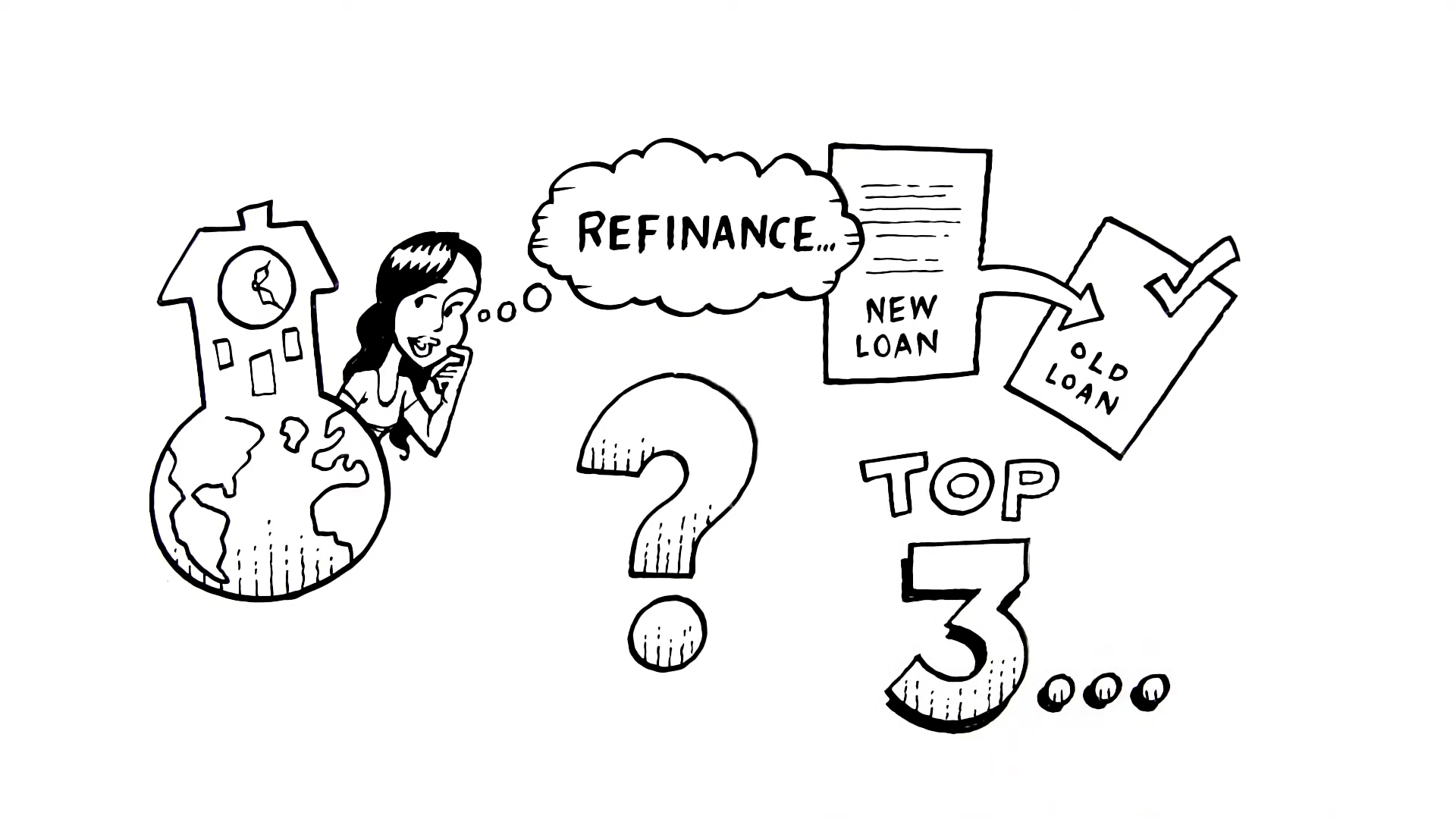
It might make sense for you to look into a mortgage refinance—getting a new home loan and paying off you’re existing one, but will it save you money?

The Top 3 Questions To Ask When Considering a Mortgage Refinance

Here are our top three questions to ask yourself when considering a mortgage refinance:

  1. Have interest rates gone down since you closed on your mortgage?
    Changes in the economy can cause interest rates to fluctuate. If interest rates have gone down since you closed on your existing mortgage, and you qualify, a lower interest rate almost guarantees a lower monthly payment and savings for you.
  2. Has your credit score improved since you closed on your mortgage?
    If you credit score has improved since you closed on your current mortgage, you are likely eligible for a lower interest rate than you were originally and may even qualify for a different loan type.For instance, if your current mortgage was an FHA (Federal Housing Administration) loan, you probably still pay private mortgage insurance. A higher credit score could mean you qualify for a conventional loan and would no longer have to pay for the private mortgage insurance.
  3. Is your home worth more than it was when you closed on your mortgage?
    If your home is worth more than it was when you got your existing mortgage – either because prices in your area have increased or you’ve had the home long enough to build equity, you may qualify for a cash-out refinance– refinancing for more than the balance of your mortgage and taking the difference in cash.

If you find yourself answering “yes” to any of these three questions, a mortgage refinance might make sense.

Speak with an experienced mortgage banker so you can discuss the option that is best suited for you –and could save you money on your monthly mortgage payment, and over the life of your loan.

This video is intended to only provide a demonstration of options available to consumers. Qualification criteria will change with each mortgage loan type. Examples of some qualification criteria would be employment history, primary residence occupancy, credit score and/ or income of the applicants, even the size of the down payment and loan-to-value assessment. The Mortgage Insurance and its requirements can vary depending on the loan type. It is important to speak with an experienced loan originator to inquire about qualification and eligibility requirements for mortgage options. Please speak with a financial advisor to learn about any tax related implications prior to making your decision.

Capital Bank Home Loans is a division of Capital Bank, N.A. Equal Housing Lender. FDIC Insured. NMLS#401599.
Renting vs Buying a House: Pros and Cons

Get a Rate Quote! Start Now

Should you buy or rent a home? The answer often depends on your finances and plans. When looking at renting vs buying a house pros and cons need to be weighed.

  • What’s the best way to spend your money?
  • How long are you planning to stay in your home?
  • Are you changing jobs or possibly moving?

Renting vs Buying a House Pros and Cons Breakdown

Buying a home is one of the biggest financial decisions you will ever make. And money is an important factor when making this decision.

Buying:

When buying a few items to be aware of are:

  • The down payment amount.
  • Closing costs, insurance and taxes.
  • Monthly utilities.
  • Ongoing home repairs – such as the water heater, plumbing and appliances.

But there are strong reasons to buy:

  • Interest and property taxes may be deductible*.
  • As you pay down the loan principle, you will build equity, which can be an excellent asset for securing a loan or a line of credit.
  • Overall, most home values increase over time, which increases the amount of equity and your return on investment when you sell your house.
  • Once you pay the mortgage off, the home is all yours.

Renting:

When renting the advantages include:

  • Your initial cash outlay will be smaller – often a deposit of a month’s rent.
  • The money you save can be used for other investments.
  • The landlord is responsible for repairs of things like plumbing or electrical.
  • It’s easier to move quickly if you change or lose your job.

Drawbacks include:

  • You’ll never own your home, no matter how many payments you make.
  • There are no tax advantages.
  • Rent could rise or your landlord could sell the property.

It’s important to do what’s right for and your financial situation. Before deciding, do your research and create a list of renting vs buying a house pros and cons

*Consult a tax specialist to learn what interest and property taxes are deductible.

What Are the Types of Mortgages I Can Get?

Get a Rate Quote! Start Now

Buying a home involves many decisions – and choosing the right mortgage is a big one.

While we’re here to discuss your options in greater detail whenever you’re ready, here’s a quick look at the most common types of mortgages, which primarily involve a fixed interest rate over a long period of time, or a rate that can change over time.

The Types of Mortgages to Choose From

Fixed-rate Loans

These are the most popular home loans, and are good if you plan on staying in your home for a longer period of time or if you are concerned about fluctuating interest rates.

Fixed-rate loans are types of mortgages that come with an interest rate that is locked in and won’t change over time.

Meaning your monthly mortgage payment is something that’s predictable throughout the term of the loan. If rates were to drop significantly, you could consider the option to refinance your loan to reduce your payment.

The fixed-rate loans you hear mentioned most often are 30- and 15-year mortgages.

With a 30-year loan, your monthly payment will be lower than a shorter-term loan, but the amount of money you pay in interest over that time will be more.

A 15-year loan means you will pay less in interest, but your monthly payment will be higher because you’ll be paying off the loan amount faster.

Adjustable-rate Mortgages

These types of mortgages are known as ARMs.

They can start with a lower initial interest rate than a fixed-rate loan, but the interest rate is variable and can possibly rise after a set period of time, leading to higher monthly payments.

An ARM can be a good choice for people who know they won’t be in a home for a long period of time.

For more details on home loans, talk to one of our trained mortgage professionals about your various options and what types of mortgages could be best for you.

How Much to Put Down On a House?

Get a Rate Quote! Start Now

Getting a loan for your first home might be easier than you think. The big question is how much to put down on a house?

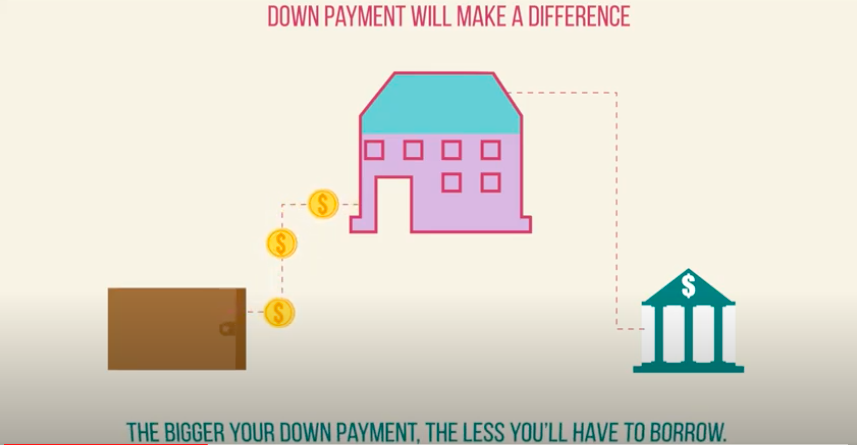
One of the biggest initial expenses homebuyers face is the cost of the down payment. That’s the amount of money you pay out of pocket toward the cost of the home.

The rest is what you’ll need to take out as a mortgage loan that will be paid off over time – usually 15 or 30 years.

The bigger the down payment you can make, the less you’ll have to borrow. And borrowing less will mean lower monthly payments and less interest paid over the term of the loan.

But not everyone has a lot of money to put down – and that’s OK.

How Much to Put Down on a House?

Some loans will require a down payment of only 3-3.5% or more, depending on the lending program.

That means if you’re looking at a $200,000 house a 3% down payment would only be $6,000, and the loan amount would be $194,000.

But if you can afford a bigger down payment – say 20% – you’d only have to borrow $160,000, which would lower your mortgage payments and reduce your interest costs.

When considering buying a house, lenders will work with you to see if you qualify for a loan. Among other things, they’ll factor in how much you earn, how much you owe on other loans, and what your monthly expenses are.

The size of your down payment could make a big difference.

That’s why if home ownership is your goal, you should consult a lender to see what your options are and what you’ll need to do to make it happen, including how much to put down on a house.

Planning ahead can be a huge help and we’re here to advise you in any way we can – from ways to save for that down payment to what your mortgage choices are.

Talk with us about how you might be able to save for a down payment that can make your home-buying dreams a reality.

What is the QuickClose Process at Capital Bank Home Loans?


Get a Rate Quote! Start Now

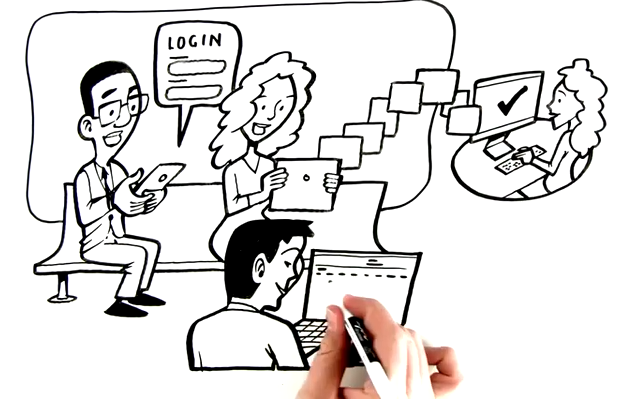
At Capital Bank Home Loans, we’ve made the application process easier and more efficient by digitizing it so it fits into your lifestyle. With our QuickClose process, you set up your login details and begin the application process. This lets you start your application on one device and finish it on another, from wherever you are at your convenience.

The QuickClose process lets you securely upload documents right into your application, giving you step-by-step instructions on what to do next.

But the best part is how easy it is to verify your assets and income information from within the application. No more:

  • Printing,
  • Scanning, and
  • Emailing

Since our application saves your information automatically, it sends you email reminders to help you stay on track. So you can close on your home in as little as 21 days.

Don’t worry, your loan officer will be by your side answering questions like:

  • “What’s title insurance?,”
  • “Can we remove the financing contingency?,” or even
  • “Should I get pre-approved or pre-qualified?”

They’re also there to discuss mortgage options with you so your mortgage payment fits your budget.

Your loan officer is always only a text, email, or phone call away as you move through the Capital Bank QuickClose process, so you’ll have the mortgage you need for the home you want and the confidence to buy your home.

What is the Conventional 97 Loan Program and How Does it Work?


Get a Rate Quote! Start Now

You may have heard about an FHA loan, which has a 3.5% minimum down payment (if not, check out our “What is an FHA Loan?”).

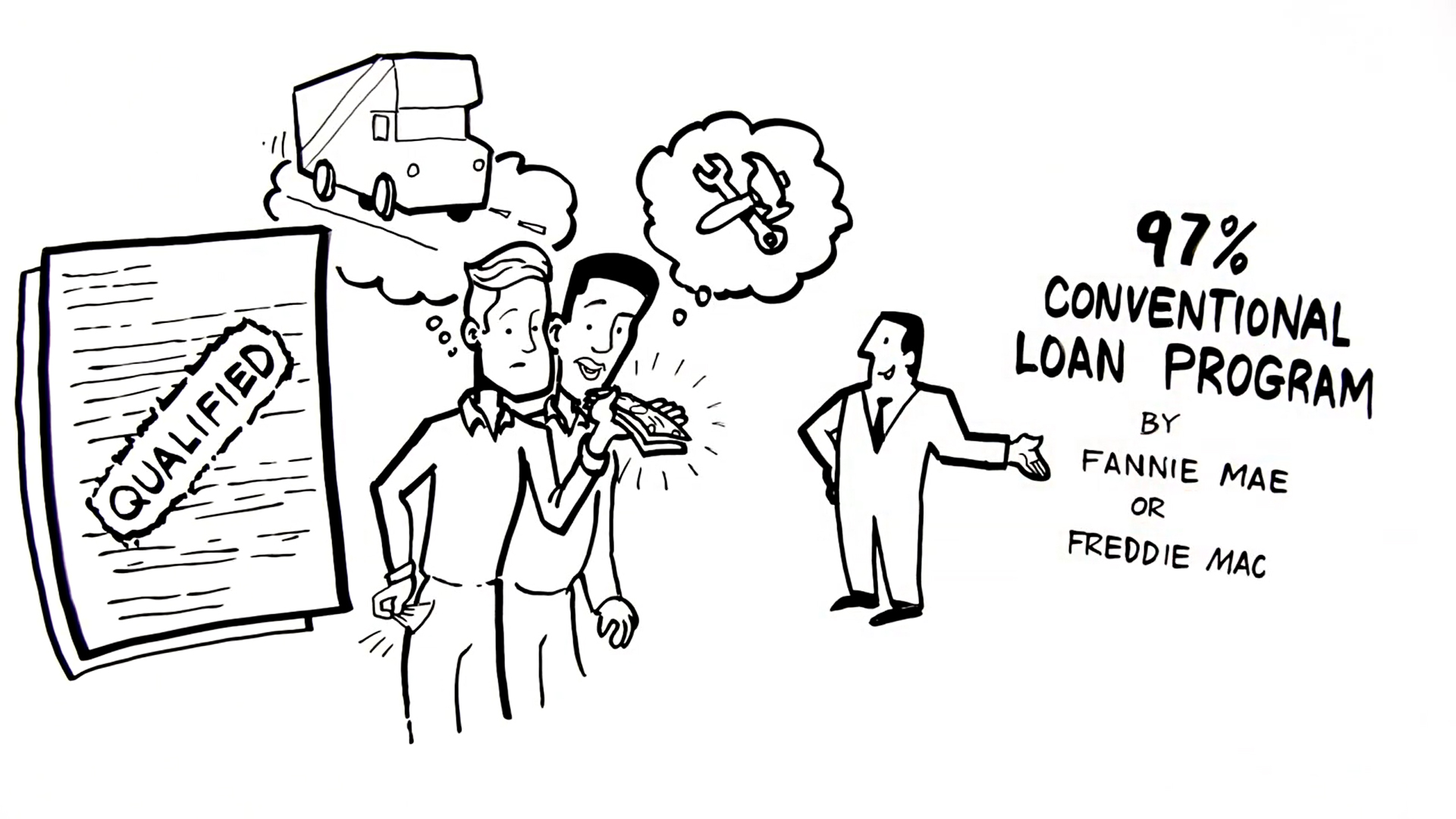
But, have you heard of the Conventional 97 Loan Program with only 3% down?

If you qualify for conventional mortgage pricing only to find yourself strapped for cash, or you want to hold back some cash you would normally allocate for your down payment for something like home improvements or moving costs, the Conventional 97% Loan Program offered by Freddie Mac®️ (or the Fannie 97®️ offered by FANNIE MAE®️) may be able to help.

How Does a Conventional 97 Loan Program Work?

With this mortgage program, you finance 97% of the price of the home and only put 3% down. However, Private Mortgage Insurance (or PMI) will be necessary.  PMI is insurance a borrower pays on their loan to reduce the risk of loss to the lender in case the borrower defaults on their mortgage payment.

With the conventional 97 loan program, PMI doesn’t stay for the entire life of the loan. It typically cancels once you’ve paid a certain amount of the original purchase price.  You may even be eligible to drop the mortgage insurance sooner using the current appraised value.

Who Qualifies for a Conventional 97 Loan Program?

To take advantage of the conventional 97 loan program, the borrower may need to be a first time home buyer, though not in all instances.

If there are two borrowers on the mortgage application at least one of them must qualify as a first-time home buyer and have not owned a home within the last 36 months.

Always speak with an experienced mortgage loan originator so you can discuss the option that is best suited for you – and really challenge them on what is available to meet your needs, whether it is a low down payment, a maximum monthly mortgage amount for your budget, or both.

Homeloan Pre-Approved vs Pre-Qualified – What’s the Difference?


Get a Rate Quote! Start Now

Are you beginning your homeowner journey and confused about if you should be pre-approved vs pre-qualified for a mortgage? We can help.

One way to begin your journey is to get pre-approved for a mortgage. Realtors and sellers may prefer you get pre-approved before making an offer on a home.

What is the Difference Between Pre-Approved vs Pre-Qualified?

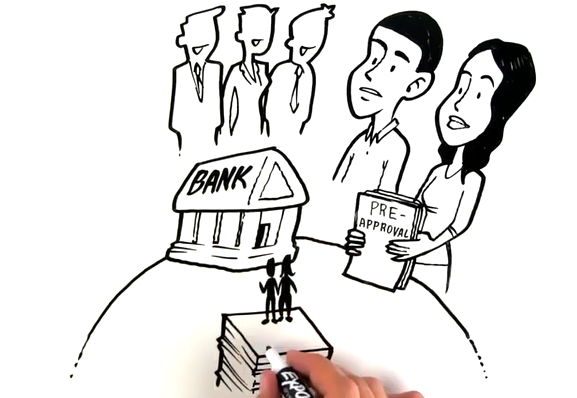
A pre-approval letter lets you know the maximum amount your bank is prepared to lend you because you’ve provided the following information to an underwriter:

  • Financial,
  • Employment, and
  • Credit information

A pre-qualification is only an estimate of what size mortgage you might qualify for based on a conversation with a loan originator and is not an exact number.

Think of pre-approved vs pre-qualified this way:

  • A pre-qualification is like waiting to buy tickets at the box office on the day of the concert, knowing that tickets are for sale but not sure if you’ll be able to get tickets at all.
  • A pre-approval is like having your concert tickets in hand on your way to the event.

What are the Benefits of Getting a Pre-Approval Letter?

Getting pre-approved lets you:

  • Calculate the house price you can afford so there are no surprises to your budget.
  • Act quickly in a competitive market and reduce the stress of “Will we get it?” or “Can we afford it?”
  • It shows you’re a serious contender, letting the seller know your financing is strong which can ease the seller’s concerns and increase your chance for winning the bid on the home you want.

A pre-approval from Capital Bank Home Loans is good for 90 days. There is no fee and no obligation to work with us, so get started today.

What is a FHA Home Loan? How Does This Type of Mortgage Work?


Get a Rate Quote! Start Now

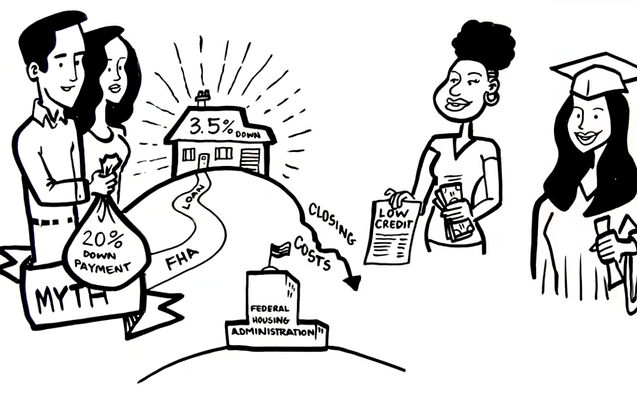
You might think that you need to have enough money saved for a 20% down payment before you can even begin looking for a home.  We’re here to tell you that’s a myth.

There are mortgage programs designed to help lower the total amount of closing costs and make home buying more attainable – even if you’re still building your credit.

You may have heard of an FHA loan or a 203k loan, but what is a FHA home loan? Let’s break it down.

What is a FHA Home Loan?

An FHA home loan is a mortgage insured by the Federal Housing Administration and can be secured with as little as 3.5% down.

This is a great program for first time home buyers because of the lower down payment minimum. Borrowers also can qualify for a 3.5% down payment if they have:

  • Lower credit scores, and
  • Higher than traditional debt to income ratios (which is great when you start out with student debt or other loans.)

How Does a FHA Home Loan Work?

Now that we’ve covered what is a FHA home loan, let’s talk about how it works.

A FHA home loan requires the borrower to have monthly mortgage insurance as well as a Mortgage Insurance Premium (or MIP as it’s often called).

Mortgage Insurance is designed to reduce the risk of loss to a mortgage lender if a borrower defaults on their mortgage payment. MIP can be paid upfront or financed into the mortgage.

A lower down payment through an FHA Mortgage can mean that you set money aside for other things such as home improvement projects or even moving costs.

Mortgage Insurance on an FHA loan is currently permanent, but after you’ve built up enough equity, you may be able to refinance out of an FHA loan.

Always speak with an experienced mortgage loan originator so you can discuss the option that is best suited for you – and really challenge them on what is available to meet your needs, whether it is a low down payment, a maximum monthly mortgage amount for your budget, or both.

What are the Pros and Cons of Buying a Home With An 80 10 10 Loan?


Get a Rate Quote! Start Now

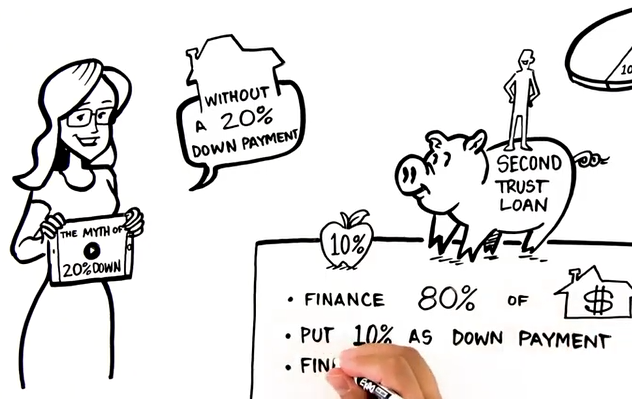
You might have heard that you can buy a home without a 20% down payment – you may have even heard it from us in our video “What is a FHA Home Loan?”

It’s true. Those who qualify can utilize an 80 10 10 loan, otherwise known as a second trust loan or “piggyback” loan, to purchase your home with just a 10% down payment.

Here’s how it works:

  • Finance 80% of the home’s value,
  • Put 10% as a down payment, and then
  • Finance the remaining 10% as a second trust loan or a piggyback loan.

That’s why it’s called an 80 10 10 loan.

What Are the Pros of a 80 10 10 Loan?

The three main pros of an 80 10 10 loan are:

  1. The piggyback mortgage doesn’t require mortgage insurance or PMI. This can be up to 1.5% of the cost of the mortgage value depending on your credit score and down payment. So, you may spend less on the 2nd trust than you would with mortgage insurance.
  2. You may be able to deduct the interest from both loans on your taxes (though you’ll need to consult a tax advisor to determine what, if anything, may be deducted).
  3. It allows you to keep the total mortgage value at or below a “conforming” mortgage loan – which can be helpful when purchasing a home in more expensive areas and help keep the interest rate down.

What Are the Cons?

The two main cons of an 80 10 10 loan are:

  1. The second trust is typically financed with a shorter term and at a higher, variable, interest rate.  This means that the payments may adjust over the term of the loan.
  2. There may be closing costs on the second trust, though they’re typically not much.

Even if you have the 20% down payment, it may be worthwhile to research your options. Using less of your money as a down payment could allow you to possibly pay down debt, apply it to home improvements, help pay for closing costs or even moving expenses.

Always speak with an experienced mortgage loan originator so you can discuss the option that is best suited for you – and really challenge them on what is available to meet your needs, whether it is a low down payment, a maximum monthly mortgage amount for your budget, or both.