

You are about to leave the Capital Bank Website

DISCLAIMER: When you click Accept you will be leaving the Capital Bank (“the Bank”) website and are going to a website that is not operated by the Bank. We are not responsible for the content or availability of linked sites.

ABOUT THIRD PARTY LINKS ON OUR SITE
The Bank offers links to other third party websites that may be of interest to our website visitors. The links provided in our website are provided solely for your convenience and may assist you in locating other useful information on the Internet. When you click on these links you will leave the Bank’s website and will be redirected to another site. These sites are not under control of the Bank. The Bank is not responsible for the content of linked third party websites. We are not an agent for these third parties nor do we endorse or guarantee their products. We make no representation or warranty regarding the accuracy of the information contained in the linked sites. We suggest that you always verify the information obtained from linked website before acting upon this information. Also, please be aware that the security and privacy policies on these sites may be different than the bank’s policies, so please read third party privacy and security policies closely. If you have any questions or concerns about the products and services offered on linked third party websites, please contact the third-party directly.

Can I Buy a House if I Have Student Loans?

Hoping to buy a house while still carrying student loan debt might seem like a dead end – as in, why even try to get a mortgage? The typical amount of education debt outstanding in 2018 per person was between $20,000 and $25,000, according to the Federal Reserve Bank. On average, that’s a payment of $200-$299 month.

Remember, however, that a lot has changed in the years since college, including your income, your credit score, and your assets. Many people can buy a house if they have student loans.

Ready to purchase a home? Start Now

Debt to Income Ratio

One of the first things a mortgage loan officer looks at is your debt to income ratio. That determines if you can afford monthly mortgage payments while still paying off other debts. To do this, they add up your monthly payments and divide them by your gross income (how much you earn before taxes and other deductions). To get a qualified mortgage, the Consumer Financial Protection Bureau recommends a debt to income ratio of less than 43 percent.

Let’s say you want a mortgage that equals a payment of $1600 a month. Add that to your monthly $260 student loan payment plus a $140 car loan payment, and your total monthly debt equals $2000. If your gross monthly income is $6000, then your debt-to-income ratio is 33 percent (2000/6000) and would meet the benchmark for a home loan.

Credit Score

Your credit score always plays a role in getting a mortgage. Your credit is one way that lenders decide whether or not they want to take you on as a borrower. Credit scores also can determine the interest rate you’re offered on your home loan – typically, good credit qualifies you for lower interest rates.

Reducing or getting rid of debt helps your credit score. It also improves your debt to income ratio. For example, some borrowers sell an expensive car and buy a less expensive one (or take public transportation), to reduce or get rid of monthly car payments.

Here are other ways to improve your credit before getting a mortgage:

  • Pay bills early or on time
  • Lower the revolving credit you’re carrying (i.e., pay down or pay off credit card balances)
  • Don’t make any big purchases for a while
  • Order your free annual credit report, authorized by federal law, to look for red flags for lenders. Work with the credit bureaus to get rid of any inaccuracies on your report.

If you’re just starting out to build credit, or starting over, one of the easiest and best ways to do that is with a secured credit card.

Ready to purchase a home? Start Now

Assets and Down Payments

Buying a home usually requires making a down payment. Lenders want you to have skin in the game, so to speak, so that you’re motivated to make the payments on your loan.

If you’ve been working a few years, you may have built some assets that you could use toward a down payment – savings and/or a 401(k) retirement account. You’re allowed to borrow from your 401(k) to purchase a home; then you pay yourself back through regular payroll contributions. Before doing this, however, learn the pros and cons from your company benefits coordinator – there are some downsides.

Consider down payment assistance

In today’s mortgage market, there are a number of low and no down payment loans. For instance, if you’re an armed forces veteran, some VA home loans allow 100 percent financing. FHA loans for first time homebuyers have low, 3.5 percent down payments. Your income may qualify you for assistance, or the state/region where you’re buying a home. A mortgage loan officer can walk you through programs available to you.

Ask for help – gifts and co-borrowers

If you’re lucky enough to have a relative who’ll help you out, there’s no limit on the amount of gift money that can go into a down payment for a primary residence. Or, gifted funds could be used to pay down other debts and lower your debt to income ratio.

Getting a co-borrower or guarantor spreads the lending risk. If you have a guarantor (a co-signer), you and they will be equally responsible for the repayment of the loan. This may enable you to purchase a home when your current financial situation doesn’t meet lender guidelines.

Ready to purchase a home? Start Now

The Most Important First Step

Every homebuyer’s situation is different. The best thing you can do is talk with a mortgage expert who will outline all your options and tailor a mortgage to your needs – before you start house hunting. A loan pre-approval arms you with the knowledge of exactly how much home you can afford to buy, and how.

If you’re in the market to buy a home, contact Capital Bank to speak to a knowledgeable, experienced loan originator.

 

What is the QuickClose Process at Capital Bank Home Loans?


Get a Rate Quote! Start Now

At Capital Bank Home Loans, we’ve made the application process easier and more efficient by digitizing it so it fits into your lifestyle. With our QuickClose process, you set up your login details and begin the application process. This lets you start your application on one device and finish it on another, from wherever you are at your convenience.

The QuickClose process lets you securely upload documents right into your application, giving you step-by-step instructions on what to do next.

But the best part is how easy it is to verify your assets and income information from within the application. No more:

  • Printing,
  • Scanning, and
  • Emailing

Since our application saves your information automatically, it sends you email reminders to help you stay on track. So you can close on your home in as little as 21 days.

Don’t worry, your loan officer will be by your side answering questions like:

  • “What’s title insurance?,”
  • “Can we remove the financing contingency?,” or even
  • “Should I get pre-approved or pre-qualified?”

They’re also there to discuss mortgage options with you so your mortgage payment fits your budget.

Your loan officer is always only a text, email, or phone call away as you move through the Capital Bank QuickClose process, so you’ll have the mortgage you need for the home you want and the confidence to buy your home.

What is the Conventional 97 Loan Program and How Does it Work?


Get a Rate Quote! Start Now

You may have heard about an FHA loan, which has a 3.5% minimum down payment (if not, check out our “What is an FHA Loan?”).

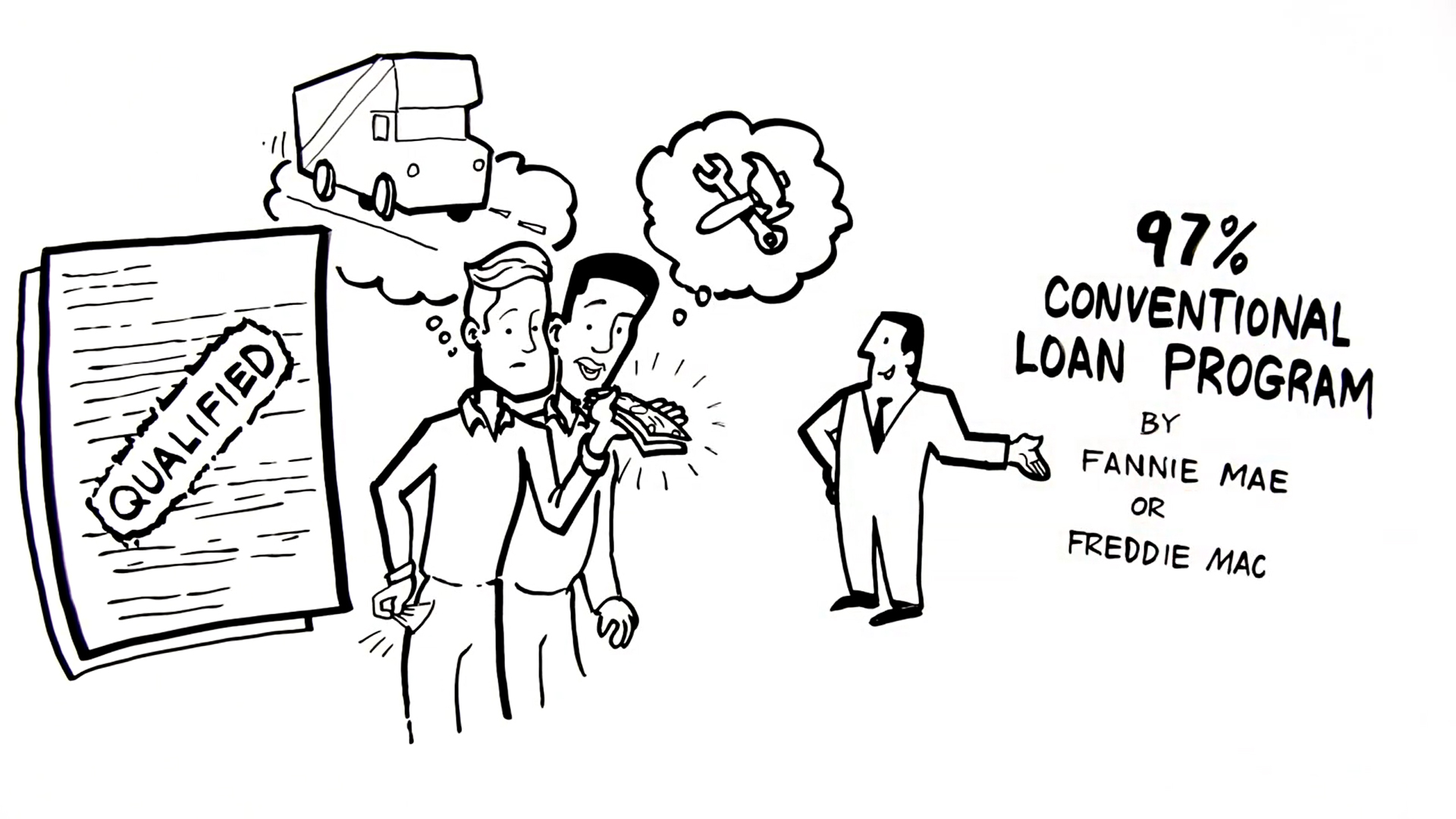
But, have you heard of the Conventional 97 Loan Program with only 3% down?

If you qualify for conventional mortgage pricing only to find yourself strapped for cash, or you want to hold back some cash you would normally allocate for your down payment for something like home improvements or moving costs, the Conventional 97% Loan Program offered by Freddie Mac®️ (or the Fannie 97®️ offered by FANNIE MAE®️) may be able to help.

How Does a Conventional 97 Loan Program Work?

With this mortgage program, you finance 97% of the price of the home and only put 3% down. However, Private Mortgage Insurance (or PMI) will be necessary.  PMI is insurance a borrower pays on their loan to reduce the risk of loss to the lender in case the borrower defaults on their mortgage payment.

With the conventional 97 loan program, PMI doesn’t stay for the entire life of the loan. It typically cancels once you’ve paid a certain amount of the original purchase price.  You may even be eligible to drop the mortgage insurance sooner using the current appraised value.

Who Qualifies for a Conventional 97 Loan Program?

To take advantage of the conventional 97 loan program, the borrower may need to be a first time home buyer, though not in all instances.

If there are two borrowers on the mortgage application at least one of them must qualify as a first-time home buyer and have not owned a home within the last 36 months.

Always speak with an experienced mortgage loan originator so you can discuss the option that is best suited for you – and really challenge them on what is available to meet your needs, whether it is a low down payment, a maximum monthly mortgage amount for your budget, or both.

Homeloan Pre-Approved vs Pre-Qualified – What’s the Difference?


Get a Rate Quote! Start Now

Are you beginning your homeowner journey and confused about if you should be pre-approved vs pre-qualified for a mortgage? We can help.

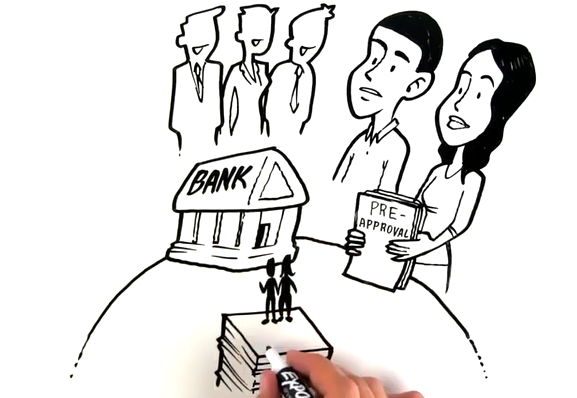
One way to begin your journey is to get pre-approved for a mortgage. Realtors and sellers may prefer you get pre-approved before making an offer on a home.

What is the Difference Between Pre-Approved vs Pre-Qualified?

A pre-approval letter lets you know the maximum amount your bank is prepared to lend you because you’ve provided the following information to an underwriter:

  • Financial,
  • Employment, and
  • Credit information

A pre-qualification is only an estimate of what size mortgage you might qualify for based on a conversation with a loan originator and is not an exact number.

Think of pre-approved vs pre-qualified this way:

  • A pre-qualification is like waiting to buy tickets at the box office on the day of the concert, knowing that tickets are for sale but not sure if you’ll be able to get tickets at all.
  • A pre-approval is like having your concert tickets in hand on your way to the event.

What are the Benefits of Getting a Pre-Approval Letter?

Getting pre-approved lets you:

  • Calculate the house price you can afford so there are no surprises to your budget.
  • Act quickly in a competitive market and reduce the stress of “Will we get it?” or “Can we afford it?”
  • It shows you’re a serious contender, letting the seller know your financing is strong which can ease the seller’s concerns and increase your chance for winning the bid on the home you want.

A pre-approval from Capital Bank Home Loans is good for 90 days. There is no fee and no obligation to work with us, so get started today.

What is a FHA Home Loan? How Does This Type of Mortgage Work?


Get a Rate Quote! Start Now

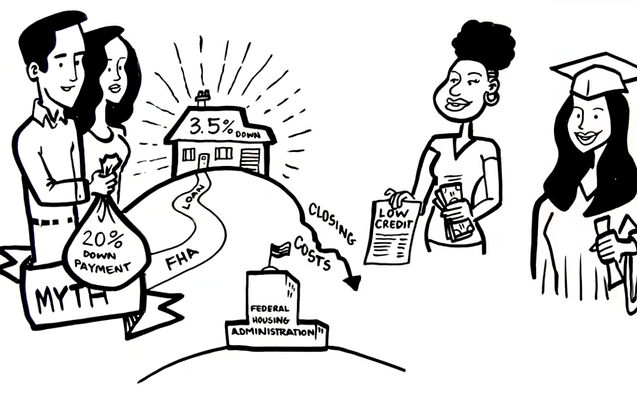
You might think that you need to have enough money saved for a 20% down payment before you can even begin looking for a home.  We’re here to tell you that’s a myth.

There are mortgage programs designed to help lower the total amount of closing costs and make home buying more attainable – even if you’re still building your credit.

You may have heard of an FHA loan or a 203k loan, but what is a FHA home loan? Let’s break it down.

What is a FHA Home Loan?

An FHA home loan is a mortgage insured by the Federal Housing Administration and can be secured with as little as 3.5% down.

This is a great program for first time home buyers because of the lower down payment minimum. Borrowers also can qualify for a 3.5% down payment if they have:

  • Lower credit scores, and
  • Higher than traditional debt to income ratios (which is great when you start out with student debt or other loans.)

How Does a FHA Home Loan Work?

Now that we’ve covered what is a FHA home loan, let’s talk about how it works.

A FHA home loan requires the borrower to have monthly mortgage insurance as well as a Mortgage Insurance Premium (or MIP as it’s often called).

Mortgage Insurance is designed to reduce the risk of loss to a mortgage lender if a borrower defaults on their mortgage payment. MIP can be paid upfront or financed into the mortgage.

A lower down payment through an FHA Mortgage can mean that you set money aside for other things such as home improvement projects or even moving costs.

Mortgage Insurance on an FHA loan is currently permanent, but after you’ve built up enough equity, you may be able to refinance out of an FHA loan.

Always speak with an experienced mortgage loan originator so you can discuss the option that is best suited for you – and really challenge them on what is available to meet your needs, whether it is a low down payment, a maximum monthly mortgage amount for your budget, or both.

What are the Pros and Cons of Buying a Home With An 80 10 10 Loan?


Get a Rate Quote! Start Now

You might have heard that you can buy a home without a 20% down payment – you may have even heard it from us in our video “What is a FHA Home Loan?”

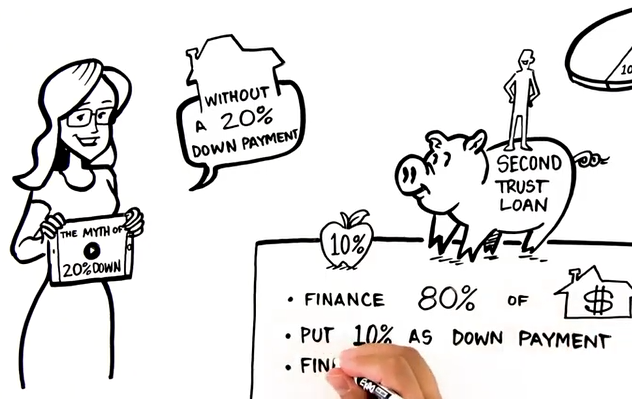
It’s true. Those who qualify can utilize an 80 10 10 loan, otherwise known as a second trust loan or “piggyback” loan, to purchase your home with just a 10% down payment.

Here’s how it works:

  • Finance 80% of the home’s value,
  • Put 10% as a down payment, and then
  • Finance the remaining 10% as a second trust loan or a piggyback loan.

That’s why it’s called an 80 10 10 loan.

What Are the Pros of a 80 10 10 Loan?

The three main pros of an 80 10 10 loan are:

  1. The piggyback mortgage doesn’t require mortgage insurance or PMI. This can be up to 1.5% of the cost of the mortgage value depending on your credit score and down payment. So, you may spend less on the 2nd trust than you would with mortgage insurance.
  2. You may be able to deduct the interest from both loans on your taxes (though you’ll need to consult a tax advisor to determine what, if anything, may be deducted).
  3. It allows you to keep the total mortgage value at or below a “conforming” mortgage loan – which can be helpful when purchasing a home in more expensive areas and help keep the interest rate down.

What Are the Cons?

The two main cons of an 80 10 10 loan are:

  1. The second trust is typically financed with a shorter term and at a higher, variable, interest rate.  This means that the payments may adjust over the term of the loan.
  2. There may be closing costs on the second trust, though they’re typically not much.

Even if you have the 20% down payment, it may be worthwhile to research your options. Using less of your money as a down payment could allow you to possibly pay down debt, apply it to home improvements, help pay for closing costs or even moving expenses.

Always speak with an experienced mortgage loan originator so you can discuss the option that is best suited for you – and really challenge them on what is available to meet your needs, whether it is a low down payment, a maximum monthly mortgage amount for your budget, or both.

Buying a Home in the Time of COVID-19

In just a few short weeks, the COVID-19 outbreak has changed our lives and raised serious questions about the future. The Federal Reserve Bank has slashed interest rates to zero (among other actions) to try to lessen the economic damage of business and job loss. A zero interest rate also can result in mortgage rates that are at or near an all-time low.

That creates a question about buying a home in the time of COVID-19: should you buy now to take advantage of low interest rates, or wait until there’s more certainty in the world?

Ready to purchase a home? Start Now

What Are Other People Doing About Buying a Home in the Time of COVID-19?

Spring is prime home buying time, but COVID-19 is causing a mix of positive and negative reactions in the real estate market.

USA Today reports on Millennial homebuyers in California who have decided that economic uncertainty trumps the low current interest rates. Although actively looking for a house until a couple of weeks ago, they’ve stopped until they feel more positive about their jobs, 401(k), and their health.

At the same time, some mortgage professionals say they’re busier than ever with both new and refinanced home loans. Real estate agents are seeing savvy first-time buyers who want to take advantage of the low interest rate situation, according to Forbes.

The advantage of owning real estate

Real estate remains a solid investment with proven appreciation over time. Historically, homes increase in value every year nationwide. In times of economic downturn and unstable stock markets, consumers as well as investors often put their money into purchasing real estate – they know it has multiple streams of revenue:

  • Tax advantages,
  • Potential cash flow from rental income, and
  • Appreciation/loan principle pay down that increases the amount of cash in the property

Ready to purchase a home? Start Now

What to Do About Buying a Home in the Time of COVID-19?

Lots of mortgage bankers, including ours at Capital Bank Home Loans, are still working hard and have an entirely digital, paperless process with no need to leave your home. If you are keeping up your housing search, or want to get started as soon as quarantine measures are no longer being taken, this is the perfect time to get pre-approved to buy a home in the time of COVID-19.

There’s no one right answer for everyone. If current world concerns make you put house hunting on hold, there are opportunities to learn more about real estate investments for when you’re ready to restart your search – such as watching podcasts, attending webinars, and talking with a knowledgeable mortgage professional.

Sources:

https://rismedia.com/2020/03/12/coronavirus-2020-real-estate-market/?utm_source=newsletter&utm_medium=email&utm_campaign=eNews

https://www.usatoday.com/story/money/2020/03/05/coronavirus-cuts-rates-but-house-hunters-may-afraid-buy/4951349002/

https://www.forbes.com/sites/amandalauren/2020/03/06/coronavirus-is-a-public-health-crisis-but-a-boon-to-real-estate-buyers/#35fe2f36436b

Ready to purchase a home? Start Now

Home Loan Math Is More Than Mortgage Calculators

Woman using a calculator

Figuring out the financial aspect of buying a home is more than a mortgage calculator would have you believe. Loan interest rate and monthly payments are just a snapshot of the costs of buying a home. The bigger picture is the type of home loan (or loans) that fit your finances and the effect on your down payment.

Here are few questions homebuyers commonly ask about financing a home, with answers to help clear up some home loan math.

Ready to purchase a home? Start Now

Can I Buy a Home with No Down Payment?

The short answer is “probably not.” But, down payment dollars aren’t as daunting as they used to be.

There are loans now that ease your down payment burden. The old notion of a required 20% down payment to get a mortgage has gone out the window (that’s 20% of the price of the house you’re buying, with a mortgage covering the other 80%).

Certain loan programs are specifically for first time homebuyers, such as an FHA loan that requires as little as 3.5% down for qualifying buyers. Additionally, certain federal and state government offerings are frequently set aside as down payment assistance. One example of a program that you may qualify for is the Federal Home Loan Bank (FHLB) Down Payment Assistance Program. These programs can change from year to year, so get help from a Capital Bank loan originator to access current programs you may qualify for.

If saving for a down payment is a struggle, alternatives may be asking a family member for a financial gift or taking a loan from your employee retirement account. You also might be able to accelerate your savings by asking for a raise, getting a second job, or selling costly items like an expensive car.

What Are the Advantages and Disadvantages of a Large Down Payment on a House?

The advantages of a large down payment is basically that the smaller your initial mortgage loan balance is, the more you’ll save. You’ll have:

  • Lower mortgage loan interest rates
  • Lower monthly payments
  • Less interest expense over the life of the loan
  • Reduced or no mortgage interest premiums

The disadvantages of making a larger down payment is that you are:

  • Tying up money you might need or you end up delaying savings and investments
  • Left low on reserve cash to cover home improvements or big expenses like replacing big-ticket utilities

Ready to purchase a home? Start Now


However, a large down payment means equity you can tap into by refinancing or getting a home equity loan.

We Sold Our Home. How Big a Down Payment Should We Make on a New Home?

When you sell a home and get ready to buy another, you’ll need to figure out how much of your sale proceeds to use as a down payment versus what size mortgage to get. The answer to this decision often depends not only on market conditions in your area and your current finances, but also where you are in your lifecycle.

Top Income-Generating Years

If you’ve sold a home you lived in for five or more years, you probably have a good bit of money to put into a new home. The bigger your down payment, the lower your monthly mortgage payments will be. As great as that may sound, it isn’t always the best financial decision.

If you’re in your 40s to mid-50s, these may be your top earning years. If you and/or your spouse have good incomes, a good work history, and good credit, you may be able to qualify for a large home loan. That means you can have a larger loan and retain cash in savings and investments.

For those still in their 20s and 30s, you might have student loan payments, credit card debt, or a young family to provide for. While there are costs outside of a down payment to consider, homeownership may still be in reach for you.

A Capital Bank loan originator can help you sift through a multitude of mortgage products to personalize a home loan for your current situation.

Close to Retirement

If you lived in your previous home for many years, you’re probably looking at a substantial amount of equity in your home. The ability to put that into a new home and make very low monthly housing payments is a big deal. Some people even buy their “forever home” with cash so that they have no monthly payments.

For many homeowners in America, however, their home equity is their retirement savings. If all your cash goes into a house, you may end up not being able to cover future costs. That’s why it’s often best to work with a financial advisor* to help you calculate how much you could need in retirement and how to spend or invest the money you do have. If a mortgage is advisable, our loan originators can work with you to provide great options.

Every individual homebuyer’s situation is different and finding the right mortgage package is confusing. If you’re in the market for a home loan, your best bet is to contact Capital Bank to talk with a knowledgeable, experienced loan originator.
* Capital Bank, N.A. is not a debt management, tax planning, financial planning or credit counseling service provider. The information provided is strictly for informational purposes and not meant as legal or financial advice. Please seek professional advice from an accountant, financial advisor or credit counselor.

Ready to purchase a home? Start Now

Why It’s Important to Choose Your Own Lender When Buying a Home

If you’re reading advice online about buying a home (and who isn’t!), you’re likely to come across a question that many homebuyers ask: Should I work with the mortgage lender my real estate agent recommends, or find one myself? 

That’s a really important question to answer.

Choosing Your Own Home Lender Vs. Realtor Recommendations

Experienced real estate agents typically have a line-up of professionals they like to work with, including lenders. It’s easy to take a recommendation from an agent you’ve grown close to, particularly since buying a home and getting ready to move are so stressful! With a tight time-frame to get all requirements and contracts completed before settlement date, having people on your side with an established connection can make things run faster and smoother.

There’s nothing wrong with considering a recommendation. But remember, it’s your money. It’s up to you to do your due diligence.

People now spend a higher percentage of their income on a home than 20 years ago. Interest rates can change daily. There are more kinds of loans to choose from, so there is more to figure out before making a decision that will have a huge impact on your finances.

Your loan officer is your main contact throughout the mortgage procedure, and is someone you need to be comfortable with and confident in. He or she is super important in helping you understand and access your options, and getting you through the home loan process with as little frustration or anxiety as possible.

Ready to purchase a home? Start Now

How to Find a Mortgage Lender

How to shop for a mortgage lender that can deliver the best loan terms and interest rate for your money? Here is a step-by-step guide.

1. Find a mortgage lender to fit your situation

Although most home buyers think they should be shopping for the best interest rate, pricing is very similar between lenders. It’s usually the type of home loan you get and the loan terms you choose that save you the most money.

To qualify for the lowest rates and fees available today, you need excellent credit and a substantial down payment. Without those two things, a lender who can work with your personal situation becomes even more important.

2. Understand the types of lenders

Basically, there are direct lenders and mortgage brokers. Direct lenders work with their institution and brokers can pair you with different lending companies. If you’re not finding the loan you want at your bank or credit union, look for a lender with more loan options or a broker who will shop for a home loan that suits your needs.

3. Look for the person, not the institution

The loan officer you work with can be more important for getting the right loan than the mortgage institution. Look for someone experienced, who understands the local market where you’re buying, and is good at fitting loans to people in similar financial situations as you. Recommendations from family and friends will come in handy for finding knowledgeable mortgage professionals.

Questions to Ask a Lender

Once you find two or three lenders you’d like to work with, two of the most important questions to ask are:

  • What types of home loans do you offer?
  • Which type of home loan is right for me?

Access to regulated loans – and the knowledge and experience to know which mortgage program will work best for each buyer – are the things that indicate a great lender.

Other questions to ask mortgage lenders are:

  • Do you participate in any down payment assistance programs?
  • What are your closing costs?
  • How much time does it take to complete a mortgage?
  • What documents will I need to give you?
  • How do I lock in a low interest rate during my application process, and do you charge for that?
  • How do you communicate with your clients?
  • Who will be the title and escrow agency or attorney, and how much does that cost?

To learn more about common types of home loans and to find examples of the answers you should be looking for, see the National Association of Realtors “10 questions to ask a mortgage lender.”

Resources to Help You Make Your Decision

If you need more help finding a home loan, the U.S. government Federal Trade Commission website has a page devoted to helping consumers learn how to shop for a mortgage. Additionally, these sites are some of the reputable financial advice websites that rank and review mortgage lenders:

The Relationship That Comes First

The trust you place in your real estate agent should not be overlooked. And Realtors and loan originators often work together – building relationships is an important part of doing business. Just remember that when it comes to getting a home loan, your relationship with your money comes first.

No matter whether you work with your agent’s recommendation or find your own lender, working with a loan officer who asks the right questions – like the knowledgeable, experienced ones at Capital Bank – can help you get the loan that’s right for you.


Ready to purchase a home? Start Now

What is an Annual Percentage Rate (APR)?

When shopping for a mortgage, lenders will typically provide two different numbers to show the cost of borrowing the money.

  1. The mortgage interest rate, which is related to the cost of borrowing the principal amount of the loan. It is the cost you will pay each year to borrow the money, expressed as a percentage rate. The rate can be fixed or variable, but when it is a variable rate loan, the APR does not reflect the maximum interest rate of the loan.
  2. Annual percentage rate (APR) reflects not only the interest rate but also any points, mortgage origination fees, and other charges that you pay to get the loan.

What is an Annual Percentage Rate vs Interest Rates?

The APR is important because it can give you a good idea of how much you’ll pay on an annual basis for the funds borrowed.

Lenders are obligated to disclose the APR in addition to the interest rate. Since lenders charge different fees, this disclosure was meant to help consumers understand the actual rate for the funds borrowed, which includes the finance charges in addition to the interest rate charged on the principal balance of the loan.

The APR also helps consumers compare overall costs from one lender to the next. Be careful when comparing the APR of a fixed rate loan with the APR of adjustable or variable rate loans, or when comparing the APRs of different adjustable rate loans. You should also know the fees included in the APR, because lender fees and other costs can vary from lender to lender.

Ready to purchase a home? Start Now

What is an Annual Percentage Rate for Mortgages?

While interest is charged on the principal loan balance owed monthly, the APR also includes the other charges or fees and is calculated by spreading your upfront costs over the life of the loan and expressing this as a percentage of the loan amount that you pay each year.

That matters because if you pay off a loan early, your “true” APR may be higher than the one on your loan documents since those costs will be spread over a shorter time period. If your loan includes prepayment penalties, then your actual costs will be even higher, so in some cases the APR your lender provides will be a poor gauge of your actual expenses.

While this may cause the APR to be higher when recalculated based on the shorter period of time you have the loan, you will most likely save a lot of money by paying down your mortgage or paying it off early. You will pay less in actual interest than if you take the full term of the loan to pay it off.

Remember, the amount of your mortgage payment each month that is applied to interest is calculated on the actual principal balance owed. The lower the principal balance the interest is calculated on, the greater the portion of your monthly payment that gets applied back to that principal balance.

Another way APR can be misleading is if you take out a mortgage with a variable interest rate. While APR is intended to more accurately reflect the total cost of your loan, if interest rates rise, and your interest rate adjusts to the maximum allowed under the original terms of the loan, then the APR originally disclosed may not be accurate. The APR a lender discloses on a variable rate loan does not reflect the maximum interest rate on that loan.

Ready to purchase a home? Start Now

APR is One Piece of the Puzzle

What is an Annual Percentage Rate benefit? All smart shoppers want to minimize the cost of borrowing. If you plan to stay in the same home for the entire term of your mortgage, the APR can be one yardstick for comparing fixed-rate loan offers.

But, the overwhelming majority of people move before they’ve completely paid off their mortgage, either upsizing as their family grows, downsizing as they near or enter retirement, or simply moving for work or family reasons.

Likewise, some homebuyers shop for a variable-rate mortgage. If any of this sounds more like you, then minimizing your upfront expenses could be more financially advantageous, even if it means paying a slightly higher interest rate.

Low upfront fees and a higher interest rate could result in a higher APR, so in this case, comparing only APRs while excluding other factors may not provide you with the most accurate way to make a comparison.

What is an Annual Percentage Rate? APR is a useful standardized tool to determine the cost of the funds you are borrowing on a fixed rate loan. It can also be helpful when comparing competing loan products, but it’s just one tool. It’s important to take a hard look at the interest rate and lender fees in a Loan Estimate rather than counting on the APR to tell the whole story.

Ready to purchase a home? Start Now